Make room purpose clear
Use one obstacle or decision to distinguish each space.

Map a short path from entrance to exit. Use doors, sightlines, and environmental clues to show where the player can go, what blocks progress, and how a discovery changes the route.
How it works
Work through one short dungeon crawler loop, then playtest its controls, choices, and feedback.

Draw an entrance, two connected rooms, and an exit the player can see or infer.
Use a locked door, pressure plate, or hazard that makes the next action understandable.

Telegraph an enemy attack or environmental danger before it can punish the player.
Give a key, tool, or clue that opens a route or explains the next room.
Check that players can understand a failed attempt and return to the puzzle without losing their bearings.
Pick a starting point
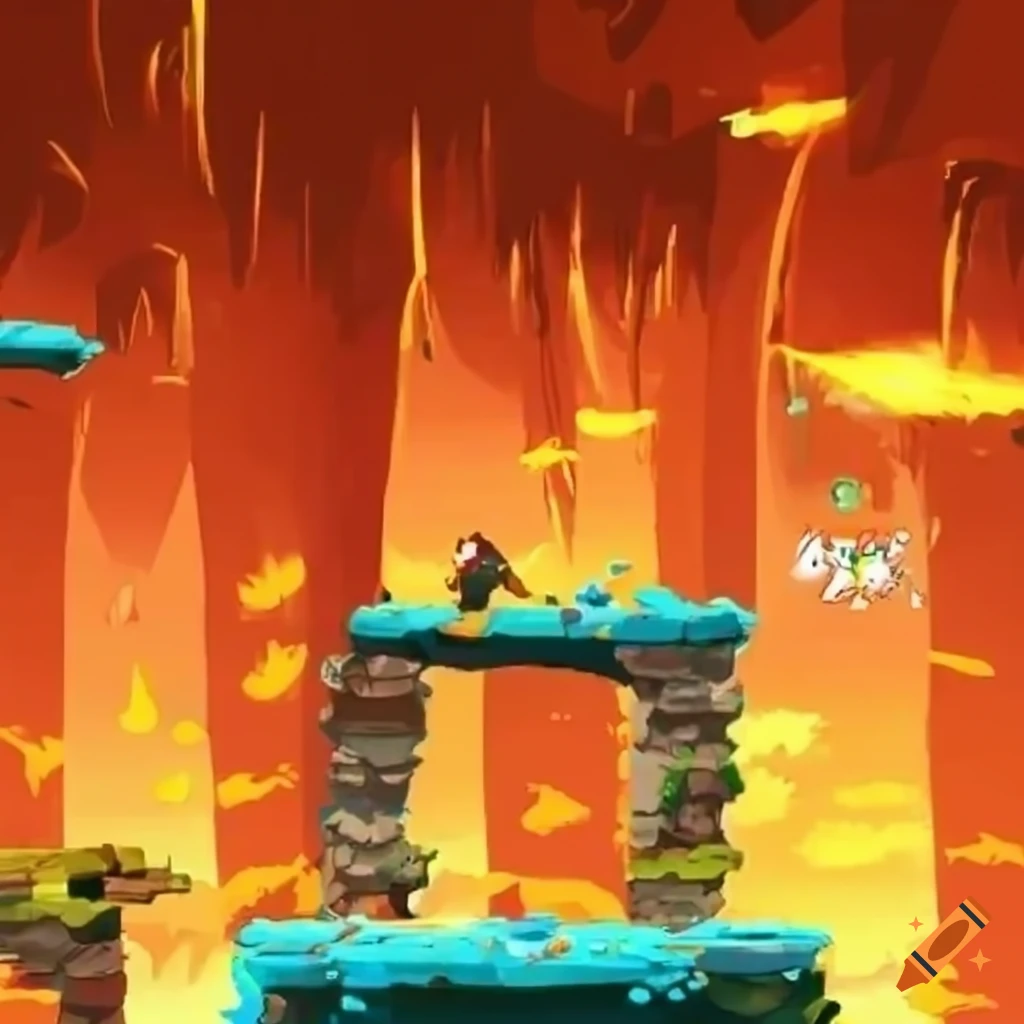
Draw a stone chamber with an entry arch, a visible locked door, and a pressure plate on a raised ledge. Review whether the challenge and its outcome are clear.
Draw a stone chamber with an entry arch, a visible locked door, and a pressure plate on a raised ledge. Let the player reach the plate by moving a loose block.
 Room layout ↗
Why SEELE
Use one obstacle or decision to distinguish each space.

Give the player time to notice an attack or trap before it triggers.

Let a reward change what the player can do in a later room.

Use landmarks and visible exits to help players track their route.

Alternate combat, movement, and puzzle rooms instead of repeating one test.

Play from entrance to exit and note confusing transitions.
Who it’s for
Use these briefs to give each role a concrete part of the dungeon crawler prototype to explore.
Work through room order, sightlines, gates, and how each discovery changes the route.
Godot Dungeon Crawler Generator ↗
Test one enemy pattern and the space players need to read and answer it.
Uefn Team Review Unreal ↗
Keep the first dungeon to a few rooms and one complete exploration loop.
Game Generator AI Free ↗Reviews
FAQ
It helps shape a dungeon-crawler concept into a short route with rooms, obstacles, and discoveries. Use the first brief to define what players can see, try, and learn.
Use only enough rooms to show the loop: an entrance, a challenge, and a destination or return path. Add branches after players understand the main route.
Show the puzzle elements together when possible. Let players see how a plate, gate, or movable object relates, then make the result of an interaction visible.
Give the enemy a readable wind-up, sound or motion cue, and enough space for a response. Test whether players can recognize the pattern before taking damage.
A reward can open a route, reveal a clue, or change how the player handles a later obstacle. Make its purpose clear when the player finds it.
Name the room sequence, player objective, one puzzle or enemy, the recovery path, and the reward. Specify what information should be visible before each important choice.
Use a dead end to provide a clue, optional reward, or reason to reconsider a route. Make the return path clear so exploration does not become an accidental soft lock.
Watch a player navigate without directions. Note where they lose the route, miss a warning, or fail to connect a discovery with the next door.
Use a clue that attentive players can notice, such as a draft, a distinct wall pattern, or an object that reacts nearby. Avoid making the only clue a hidden interaction with no feedback.
Give players a landmark or map cue that makes the return route legible. If backtracking is part of the challenge, change the space or add a new decision on the way back.
Show explored rooms, known connections, and the player’s current position clearly. Keep unknown areas distinct from places the player has already visited.
Use a small set of items with visible uses, such as a key for a marked door or a torch for a dark passage. Avoid requiring an item without hinting where it matters.
Place it where a player can return to the main challenge without replaying unrelated sections. Check whether the checkpoint preserves progress the design intends to keep.
Let room layout and pacing give each activity space. A short transition or clear change in room language can signal when players should shift from fighting to observation.