
Seele AI · Story Workspace
Create an IAP Game Monetization with SEELE AI
Create an IAP Game Monetization result with SEELE AI. Start with a focused prompt, review the first version, and refine the workflow before a larger build or…
TRY IT FREE
See what works before you build the whole thing.
Start with a rough idea above. Starter credits help you test the direction before you spend time on every detail.
Start with a free ideaStart with free starter credits
Try the first version before deciding whether the idea deserves more time.
No coding required
Describe mechanics, visuals, audience, and constraints in plain English.
Review cost before generating
Review the generation path before committing to a larger run.
Trusted by leaders in
AI, gaming & entertainment




EXAMPLES
Start with a playable direction.
Start with a direction that resembles your project, then change the mechanics, look, or audience before you build further.

The core idea
A focused IAP Game Monetization direction that gives an IAP Game Monetization a concrete first result to review.

The main interaction
A focused IAP Game Monetization direction that gives an IAP Game Monetization a concrete first result to review.

The structure
A focused IAP Game Monetization direction that gives an IAP Game Monetization a concrete first result to review.

The visual direction
A focused IAP Game Monetization direction that gives an IAP Game Monetization a concrete first result to review.
Why use it
Make the next decision with something real.
Focus on the parts of the idea that need a concrete result before the next decision.

Prompt input
Use IAP Game Monetization to make an IAP Game Monetization easier to inspect, revise, and carry into the next project decision.
Try it now
Reviewable output
Use IAP Game Monetization to make an IAP Game Monetization easier to inspect, revise, and carry into the next project decision.
Try it now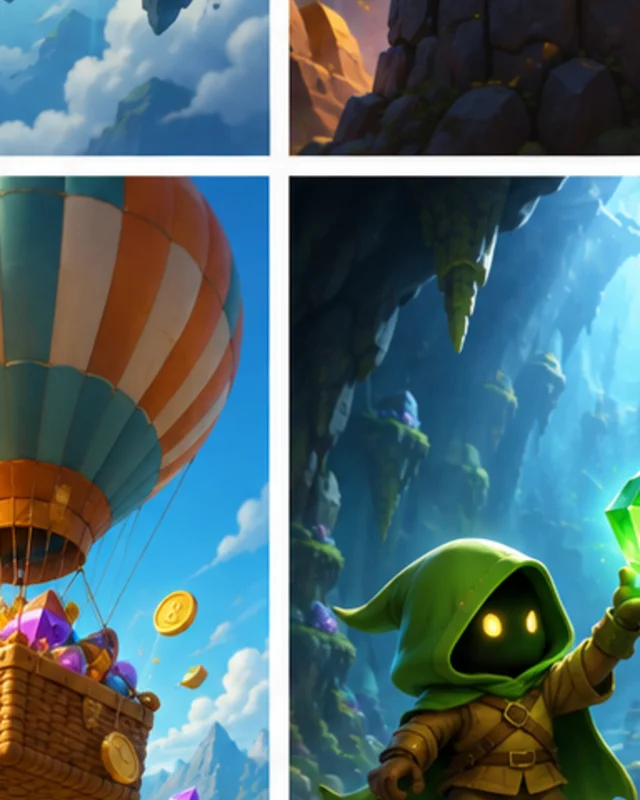
Human handoff
Use IAP Game Monetization to make an IAP Game Monetization easier to inspect, revise, and carry into the next project decision.
Try it nowWho it is for
Who is an IAP Game Monetization for?
creative teams, marketers, and product owners can use this page to make one project decision easier to test before a larger build or launch.
- People with a specific project question
Use an IAP Game Monetization when you need to see how an idea, interaction, asset, or release path might work.
- Teams comparing options
Put the audience, desired result, and constraints beside one proposal so the team can discuss the same idea.
- Creators checking the details
Review quality, continuity, accessibility, rights, and publishing requirements before using the result in a real project.
How to use it
How to use IAP Game Monetization
Give an IAP Game Monetization enough context to make the result specific, then test the part that matters to your project.
Describe the job
Start with the audience, format, desired result, and the question this page should help answer.
Try one version
Use an example or write your own prompt. Look at the main interaction, structure, visual choices, and scope together.
Decide what to keep
Take the useful parts into the workspace and record the implementation, quality, rights, and publishing work that remains.
A CLEARER FIRST MOVE
IAP Game Monetization compared with a blank first pass
A useful first result gives the next decision something concrete to react to, without hiding the work that still needs human ownership.
What changes
IAP Game Monetization
Starting from scratch
Starting point
A focused IAP Game Monetization prompt
A blank project and an open-ended task
First review
A concrete result to inspect
A plan before there is something to try
Scope
One audience, output, and constraint
Many decisions made at once
FAQ
Questions about IAP Game Monetization
What can I use IAP Game Monetization for?
Use it to describe an IAP Game Monetization work, try an example, and decide what needs more work before the next build.
What should I include in an IAP Game Monetization prompt?
Include the audience, desired result, format, constraints, and the one interaction or output you want to examine.
Can I start with a rough idea?
Yes. A rough idea is enough to begin, but adding one audience detail and one constraint usually makes the result easier to judge.
Start creating
Try IAP Game Monetization
Describe the job, test one version, and decide what to do next inside SEELE AI.
Start creatingFree