Prompt from game roles
Start with the gameplay job of each asset: player, NPC, pickup, tile, hazard, UI state, or scene anchor.
Use Seele AI as a Godot Sprite Generator to plan Sprite2D art, AnimatedSprite2D states, TileMap tiles, and scene props for 2D game production with prompt ideas, workflow notes, and workspace handoff.
Use a text prompt to describe the character, source image, or sprite concept you want to animate for this specific page.
Keep the generated brief aligned with real 2D sprite production and engine handoff needs.
Reference sprite examples for page-specific character animation, sprite sheet layout, frame consistency, and game engine handoff.
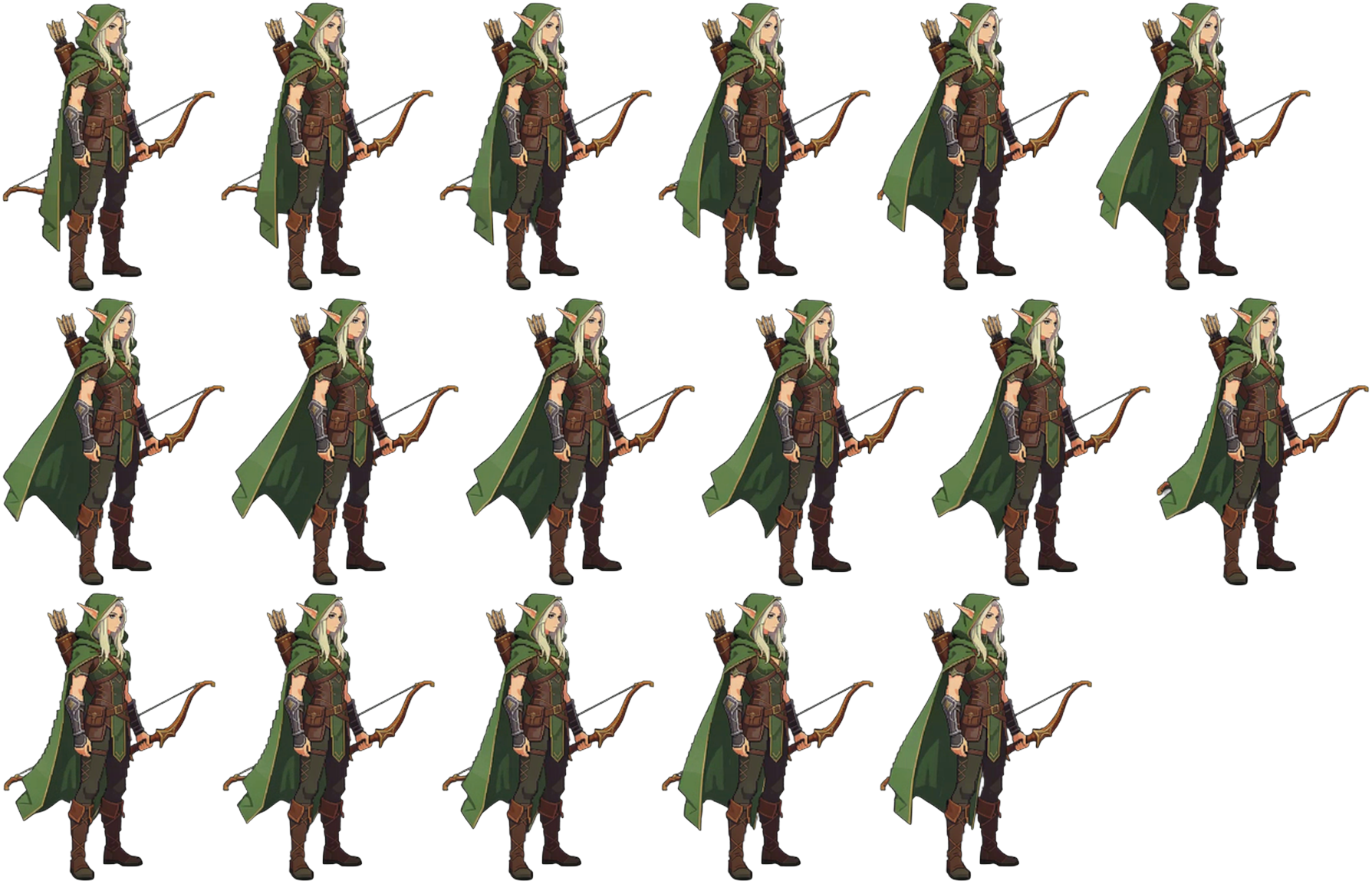
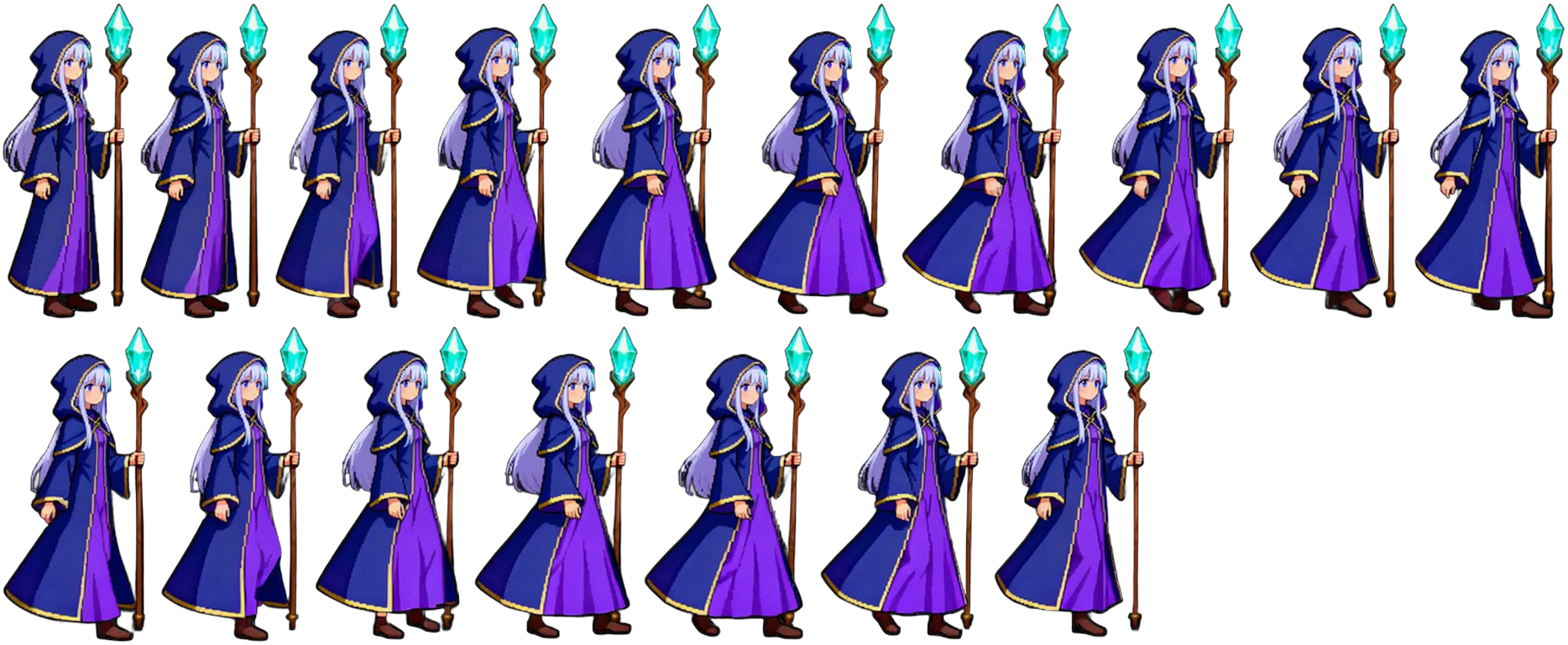
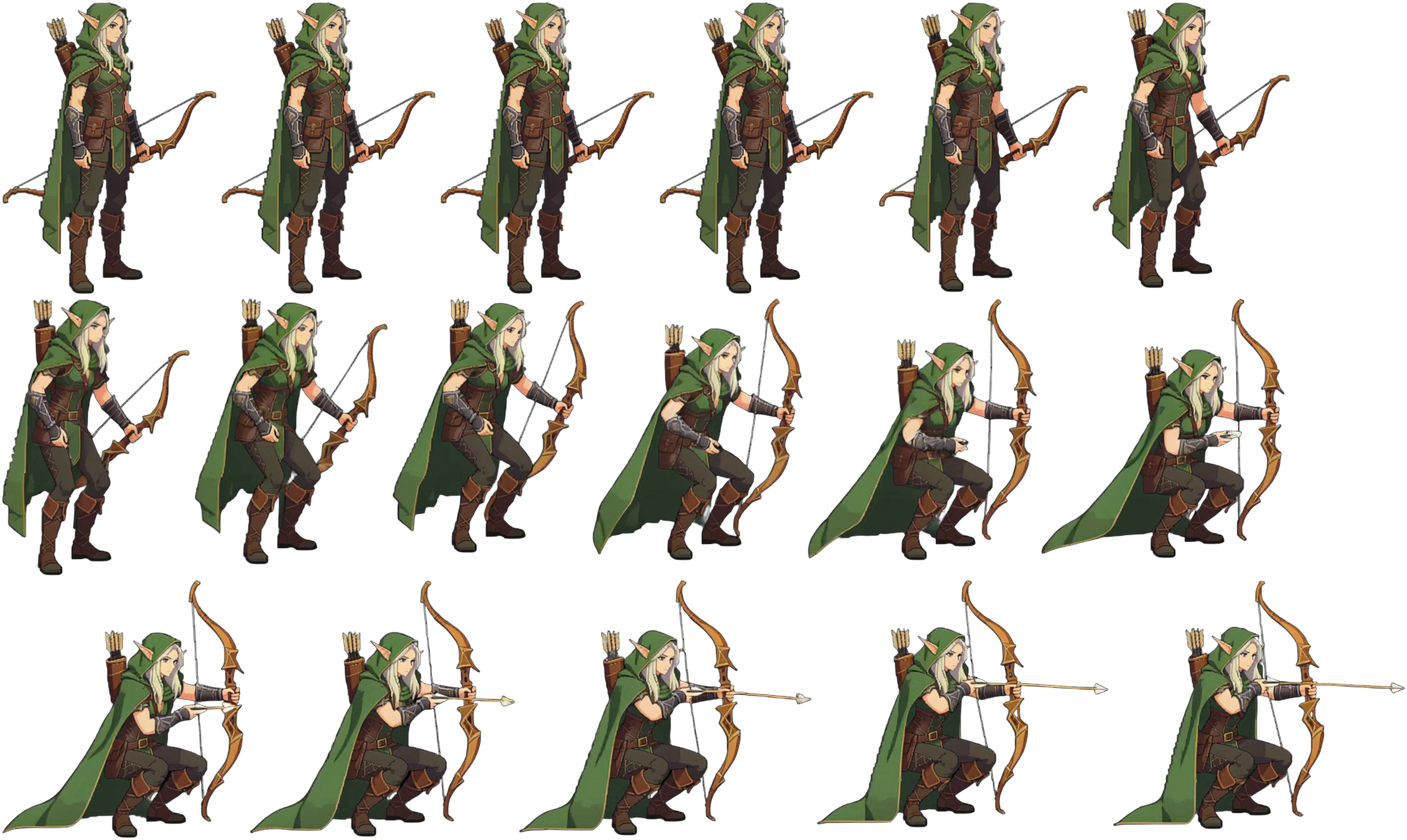
Godot Sprite Generator is structured for Godot developers preparing Sprite2D, AnimatedSprite2D, TileMap, and scene nodes. It turns the search intent into a production prompt with asset lists, style rules, and handoff notes.
Start with the gameplay job of each asset: player, NPC, pickup, tile, hazard, UI state, or scene anchor.
Define camera angle, palette, outline weight, proportions, and readability rules before generating related assets.
Include engine notes, naming, frame states, tile scale, collision assumptions, and cleanup tasks when useful.
Use the page to scope a coherent production bundle.
These details make the output more useful for real 2D game production.
Click an idea above or adapt these examples with your genre, camera angle, engine, palette, and asset list.
Use this as a starter brief, then add style constraints, target engine, and the assets your scene needs.
Use this as a starter brief, then add style constraints, target engine, and the assets your scene needs.
Use this as a starter brief, then add style constraints, target engine, and the assets your scene needs.
Short answers for developers comparing asset generators, sprite workflows, and 2D art planning pages.
No. It uses Godot terms only where they help handoff: Sprite2D, AnimatedSprite2D, TileMap, scenes, and nodes.
Yes. It can generate TileMap-oriented environment prompts and scene kit briefs.
Node use, collision shape assumptions, sprite frame names, TileMap layers, and animation state names.