
Seele AI · Story Workspace
Plan branching stories before production
Turn a visual novel concept into a clearer route plan, scene sequence, and production handoff before full writing and asset creation begin.
Trusted by leaders in
AI, gaming & entertainment




Why use it
Turn branching ideas into an actionable story plan
Plan route logic before script volume explodes
Clarify branches, reveals, and endings before a large script makes structural changes expensive.
Keep scene and asset priorities visible
Connect narrative beats to portraits, CGs, backgrounds, UI moments, and implementation needs.
Support multiple narrative genres
Use the same planning workflow for romance, mystery, horror, drama, thriller, and hybrid stories.
Balance payoff against production scope
Make route ambition and presentation detail fit the team, timeline, and asset budget.
Useful before deeper line-by-line writing
Get a route and scene direction in place before investing in every line of dialogue.
Stay honest about what remains manual
Use AI for planning momentum while keeping final voice, continuity, localization, and pacing under human review.
Story directions
Explore visual novel planning examples
Start from a familiar narrative problem and adapt the direction to your cast, genre, and production scope.
Example direction
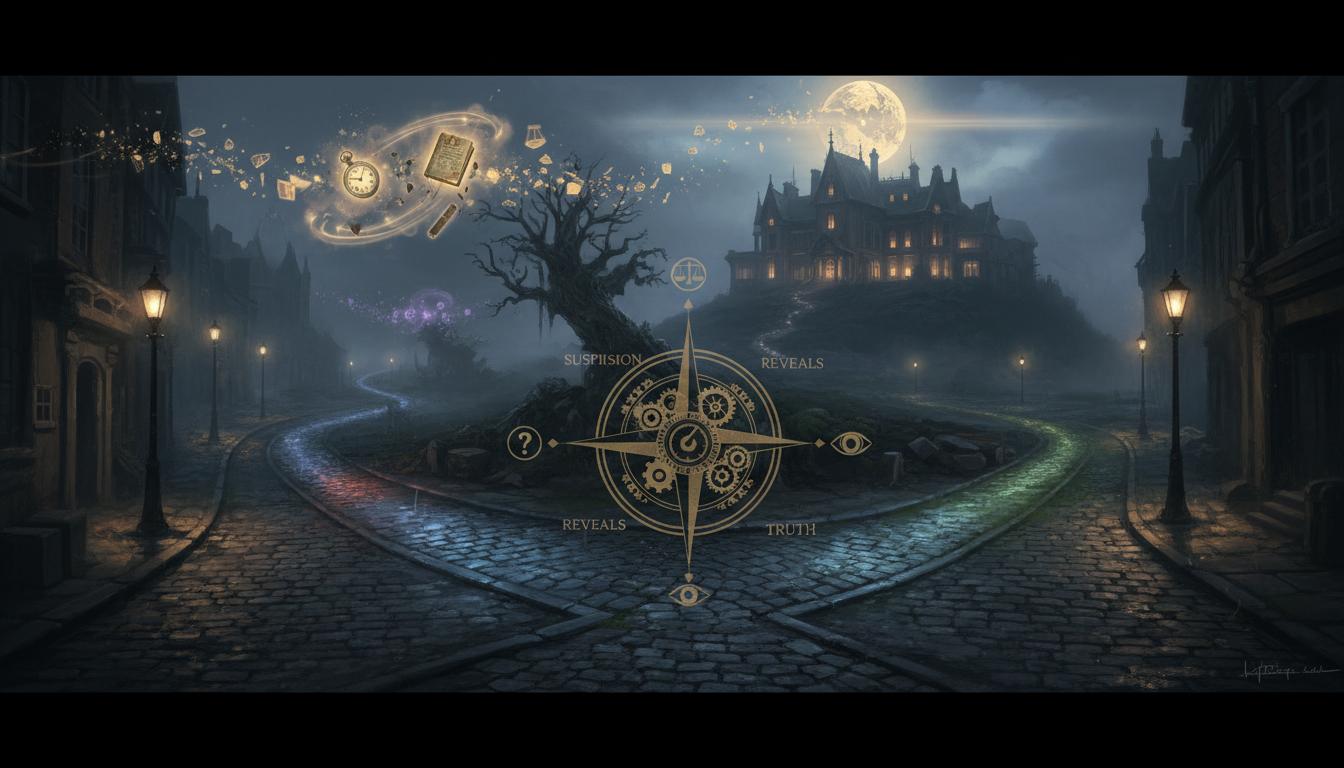
Design a branching mystery visual novel with suspicion, evidence, timed reveals, and multiple truth endings.
Who it is for
Who benefits from an AI visual novel maker?
This workflow is strongest when a team needs fast direction for a branching story, not a final production asset immediately.
- Indie game teams
Shape a playable narrative ambition before a small team commits to too many routes, scenes, or assets.
- Designers and technical artists
Translate story beats into presentation and implementation priorities for portraits, CGs, backgrounds, and UI.
- Creative leads
Align writers, artists, and developers around one route structure and a production-aware story handoff.
How to use it
From story idea to production handoff
Describe as much of the story direction as you can, then use the generated plan as a focused starting point for your team.
Describe the story frame
Enter the premise, protagonist, route count, main cast, tone, and player experience you want. The first output is a visual novel brief.
Generate route and scene options
Review alternatives for reveal timing, emotional pacing, scene beats, and ending logic. The result is a route structure set.
Refine a production-ready plan
Choose the route model that fits your ambition and budget, then take the selected story production handoff into deeper writing and implementation.
What you get
A practical handoff for the next story decision
- 1
Visual novel brief
A concise frame for premise, player experience, cast, tone, and narrative promise.
- 2
Route structure set
A clearer map of branches, scene beats, reveal timing, and ending logic.
- 3
Story production handoff
A focused plan that connects narrative priorities to scenes, assets, UI, and implementation.
What you can control
You decide what the story should mean.
Use the generated structure to move faster while keeping the creative and production decisions that make the game yours.
- Voice and character nuance
- You own the final script, editing, character voice, and emotional specificity.
- Continuity and balance
- You review localization, continuity, route balance, and whether choices feel meaningful.
- Presentation pacing
- You decide the final rhythm across UI, portraits, music, transitions, and scene direction.
Treat the output as a production-aware starting point, then review every important story decision with your team.
FAQ
Questions about AI visual novel planning
What is an AI visual novel maker best for?
It is best for planning route structure, scene flow, and character beats before full script production begins.
Can an AI visual novel maker replace writers?
No. Final writing, editing, character voice, continuity, and emotional nuance still need human judgment.
Is it only for romance visual novels?
No. The workflow also supports mystery, horror, drama, thriller, and hybrid branching stories.
What should I include in the prompt?
Include the premise, protagonist, route count, main cast, tone, and the emotional or thematic payoff you want players to reach.
Can it help a small team manage scope?
Yes. It helps compare route and scene ambitions so a team can prioritize narrative, art, and implementation work realistically.
Start planning
Start creating with AI Visual Novel Maker for Branching Story Games
Join thousands building with Seele AI — no setup required.
Start creatingFree