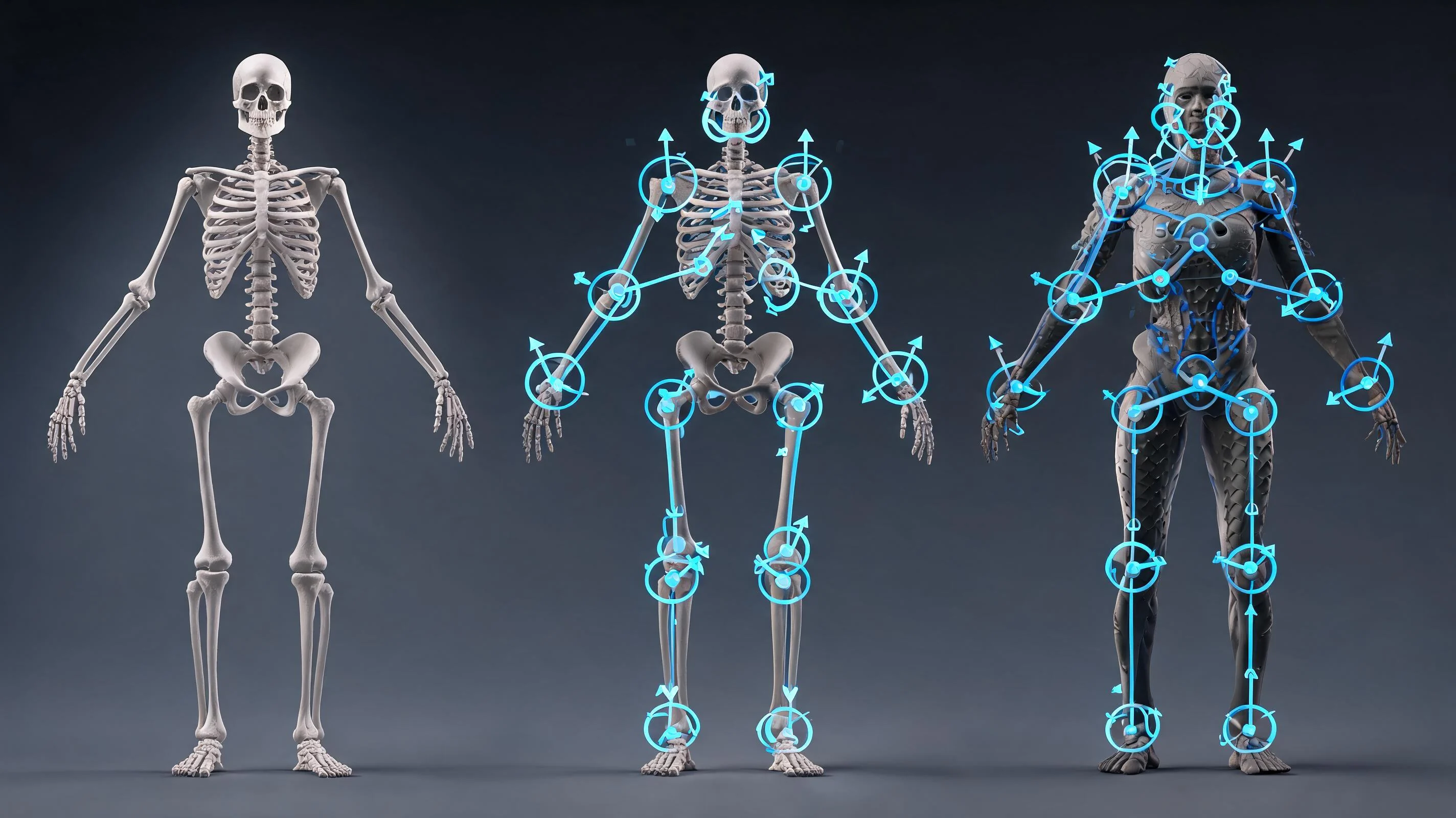
Practical answer
Treat animation integrity as a measured handoff for Babylon.js, not a viewport-only cleanup. Preserve the source, change one variable at a time, export with a named preset, and inspect the result in the downstream application.
Recommended workflow
Set the acceptance target
Name the destination, version, use case, and observable pass condition for animation integrity before editing Babylon.js.
Capture clip ranges
For Babylon.js animation integrity, inspect the untouched asset and record clip ranges. Preserve a source copy so later differences remain traceable.
Verify joint orientation
For Babylon.js animation integrity, run the smallest representative test for joint orientation. Change one responsible setting at a time and record the result.
Approve the handoff
Check root motion for Babylon.js animation integrity in the real destination. Package the accepted result, fallback, open risks, and named reviewer.
Common failure modes
Testing the wrong destination
Babylon.js animation integrity is reviewed in an authoring viewport but never exercised where root motion matters.
Changing several variables at once
During Babylon.js animation integrity, geometry, materials, and export settings change together, leaving no evidence for which change affected joint orientation.
Approving an undocumented exception
An unresolved Babylon.js limitation is hidden behind a ready label instead of being assigned to the animation integrity reviewer with a fallback.
Production notes
DCC and engine workflow: define where Babylon.js will be used and what animation integrity must prove there.
Preserve the untouched Babylon.js asset and record clip ranges before changing geometry, materials, textures, hierarchy, or metadata for animation integrity.
For Babylon.js animation integrity, Keep the source file, export preset, destination screenshot or log, and reviewer decision. Product, marketplace, regional, and compliance decisions still require the responsible specialist.
Third-party name disclosure
For 3D asset animation integrity test for Babylon.js web scene delivery, Autodesk is identified as a product or workflow target owned by Autodesk; Apple is identified as a product or workflow target owned by Apple. These nominative references do not imply sponsorship, certification, partnership, or endorsement. Trademark and policy approval remains required before a reviewer marks this page approved.
Related 3D asset guides
FAQ
What should I verify first for animation integrity?
Start with the destination and pass condition, then capture clip ranges from the untouched Babylon.js asset so later edits do not erase the baseline.
What evidence should the handoff include?
For Babylon.js animation integrity, keep the source file, export preset, destination screenshot or log, and reviewer decision.
Is an editor preview enough?
No. For Babylon.js animation integrity, verify joint orientation and root motion in a representative destination; a clean authoring preview does not prove delivery behavior.
When should this review be escalated?
Escalate Babylon.js animation integrity when rights, policy, safety, regulated use, unsupported features, or an unresolved destination mismatch requires a qualified owner.
Decisions to make
Where must it work?
For Babylon.js animation integrity, name the destination, version, device or project context, and release condition.
What can be measured?
For Babylon.js animation integrity, choose an observable joint orientation check instead of relying on a general looks-correct review.
Who accepts the risk?
Assign unresolved Babylon.js animation integrity questions to a named technical, legal, compliance, or production owner.
Acceptance criteria
| animation integrity check for Babylon.js | Babylon.js pass condition for animation integrity | Evidence to keep for Babylon.js animation integrity |
|---|---|---|
| clip ranges during animation integrity for Babylon.js | For Babylon.js animation integrity, the source and revised asset use an agreed value for clip ranges. | Keep Babylon.js animation integrity before-and-after values and the setting that changed. |
| joint orientation during animation integrity for Babylon.js | The animation integrity result for joint orientation matches the expected behavior in Babylon.js, not only in the editor. | Keep target-side evidence for Babylon.js animation integrity, such as an import log or captured test. |
| root motion during animation integrity for Babylon.js | The recorded result for root motion meets the Babylon.js release requirement for this animation integrity job. | Keep the accepted Babylon.js result and the reviewer name for animation integrity. |
| deformation playback after animation integrity for Babylon.js | The animation integrity handoff for Babylon.js contains only the files needed downstream. | Keep the Babylon.js export preset, fallback, dependencies, and open risks from animation integrity. |
Preflight checklist
- Name the real destination and acceptance condition for Babylon.js animation integrity.
- Preserve the untouched Babylon.js source and clip ranges baseline for animation integrity.
- Test joint orientation for Babylon.js animation integrity with a representative asset rather than assuming support from a product or format name.
- Package the accepted Babylon.js animation integrity export, root motion evidence, fallback, open risks, and reviewer.
Animation Integrity review artifact
Input for animation integrity: identify the exact Babylon.js file and baseline.
Exercise for Babylon.js: test clip ranges and joint orientation in the named destination during animation integrity.
Acceptance for Babylon.js: retain the observed root motion result, owner, and fallback for animation integrity.
Evidence and claim boundary
This page is a production worksheet for Babylon.js animation integrity. It does not replace current vendor documentation, marketplace terms, legal advice, safety review, or organization-specific policy. Verify version-sensitive claims against the official source used by your team.
Review record: Babylon.js animation integrity editorial scope updated 24 July 2026. Evidence required: Keep the source file, export preset, destination screenshot or log, and reviewer decision. No independent legal or specialist approval is asserted.