
Outcome And Reward Matrix
Success, failure, and partial states tied to consequences, world-state changes, and a journey-justified reward.
Try it now
Use an AI game quest writer to plan hooks, objective chains, branch gates, outcomes, world-state consequences, earned rewards, and implementation notes.
Start with free starter credits
Shape an idea, make it playable, and share it with the people who will play.

Start with a spark, a world, or a what-if worth exploring.
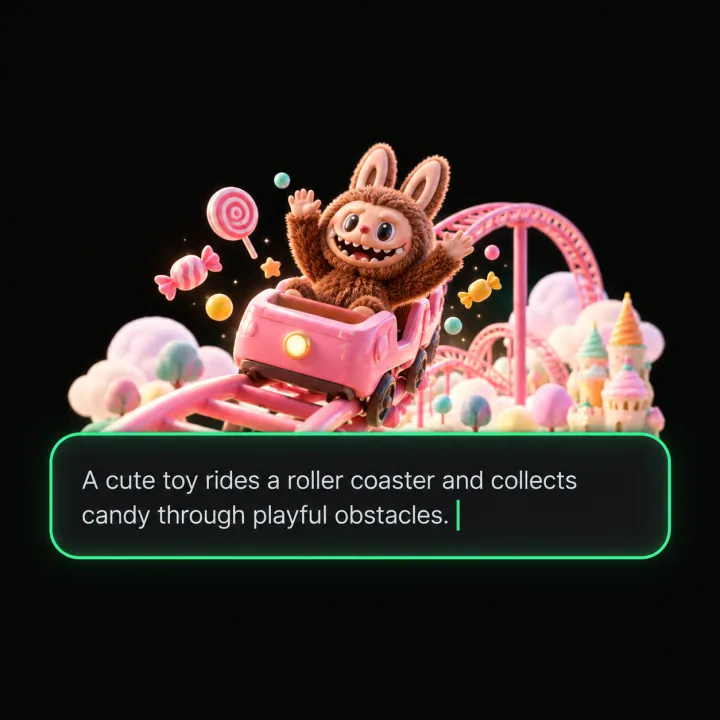
Turn the idea into a prompt with a player, a goal, and a core loop.
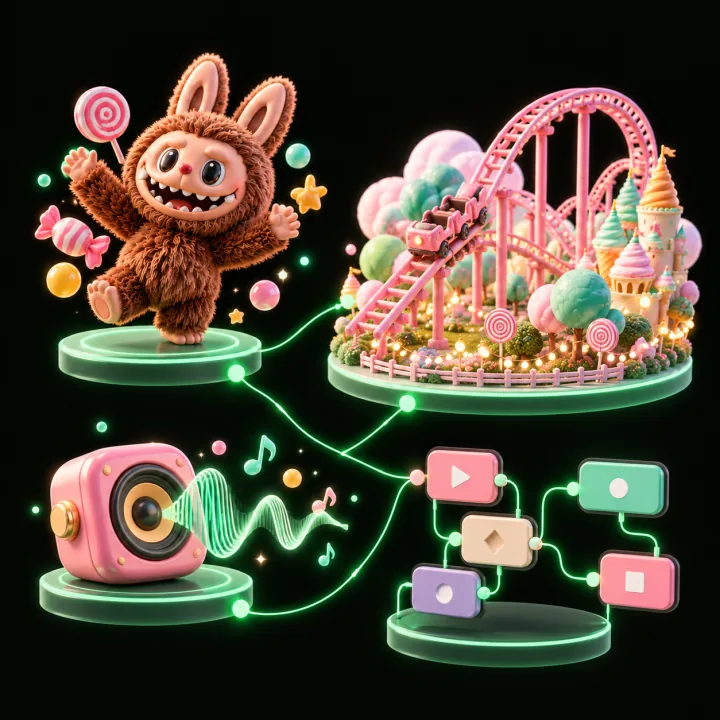
Shape the characters, environments, and systems that make it playable.
Try the game, tune the experience, and get it ready to share.
Invite others to explore the world you made.
Examples
Start with a direction that resembles your project, then change the mechanics, look, or audience before you build further.
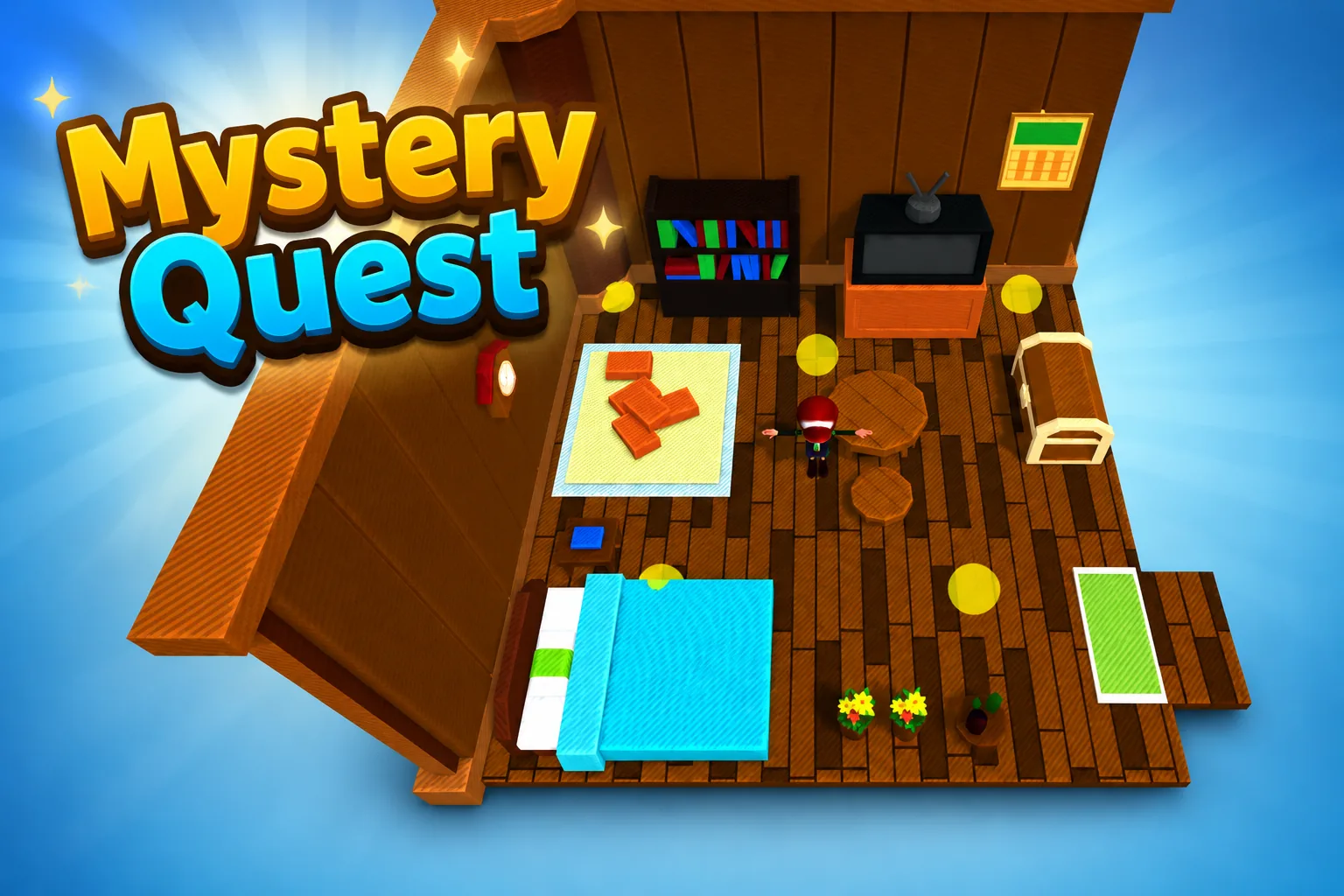 AdventureAdventure GamePlay game ↗
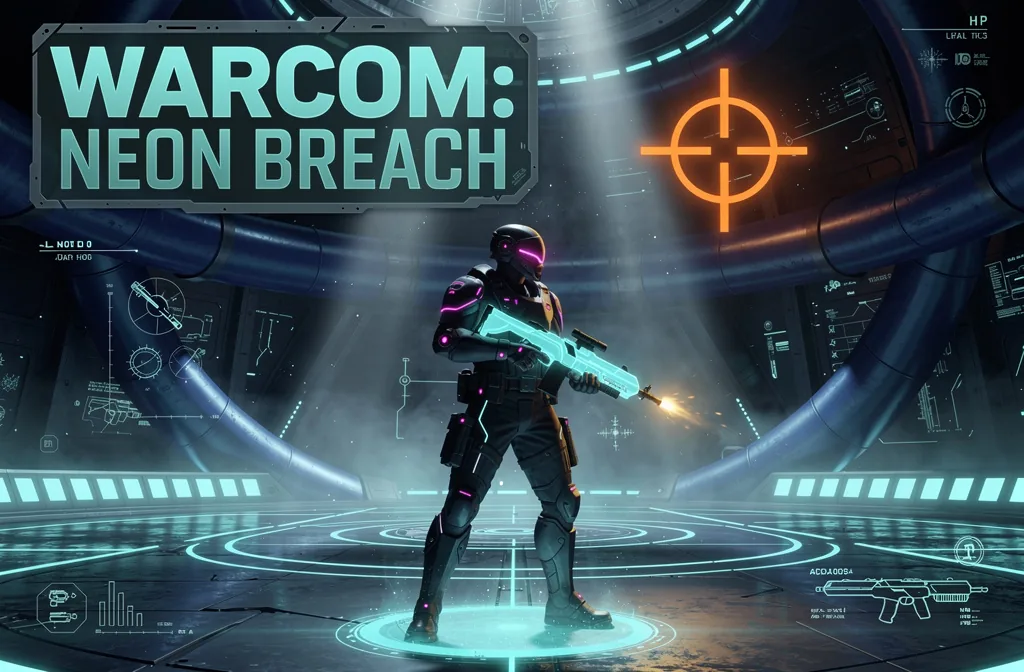 ShooterWarcom: Neon BreachPlay game ↗
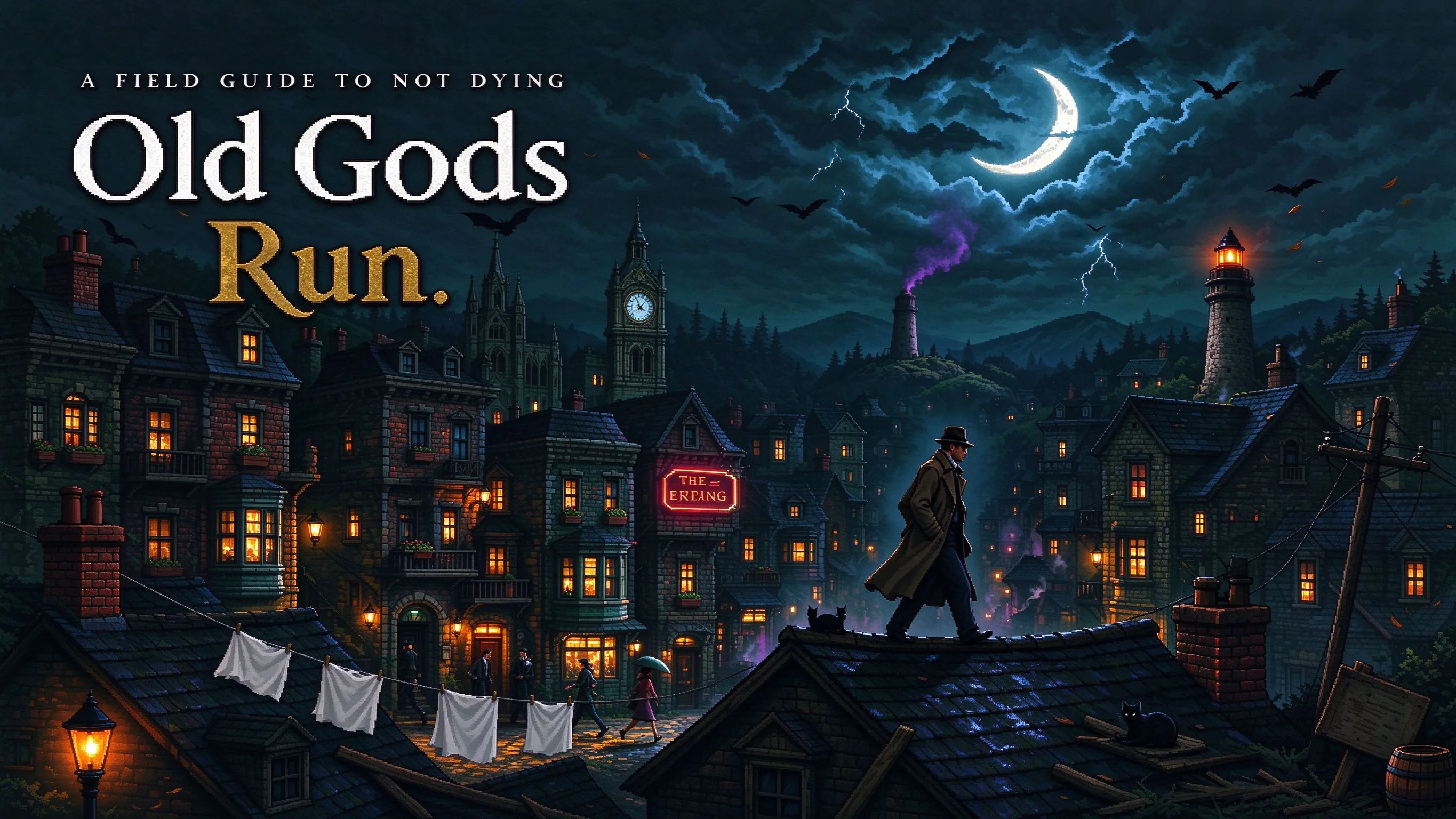 ActionOld Gods RunPlay game ↗
 CasualCaution! Egg on the Car RoofPlay game ↗
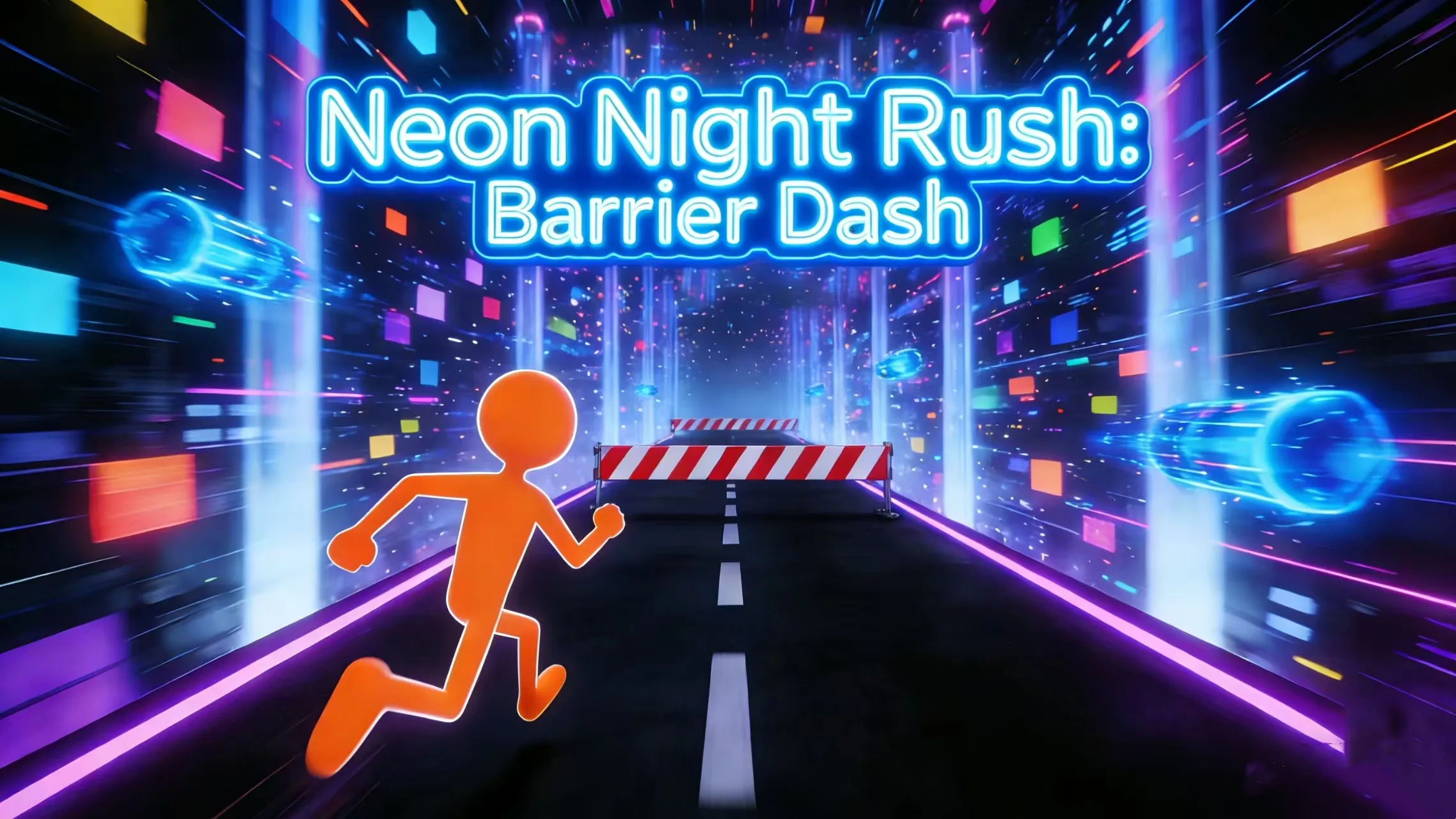 RunnerNeon Night Rush: Barrier DashPlay game ↗
 PuzzleMuseum ExhibitionPlay game ↗
 SimulationMilky Way Idle 3DPlay game ↗
 CasualSnowfall & Starry GiftsPlay game ↗
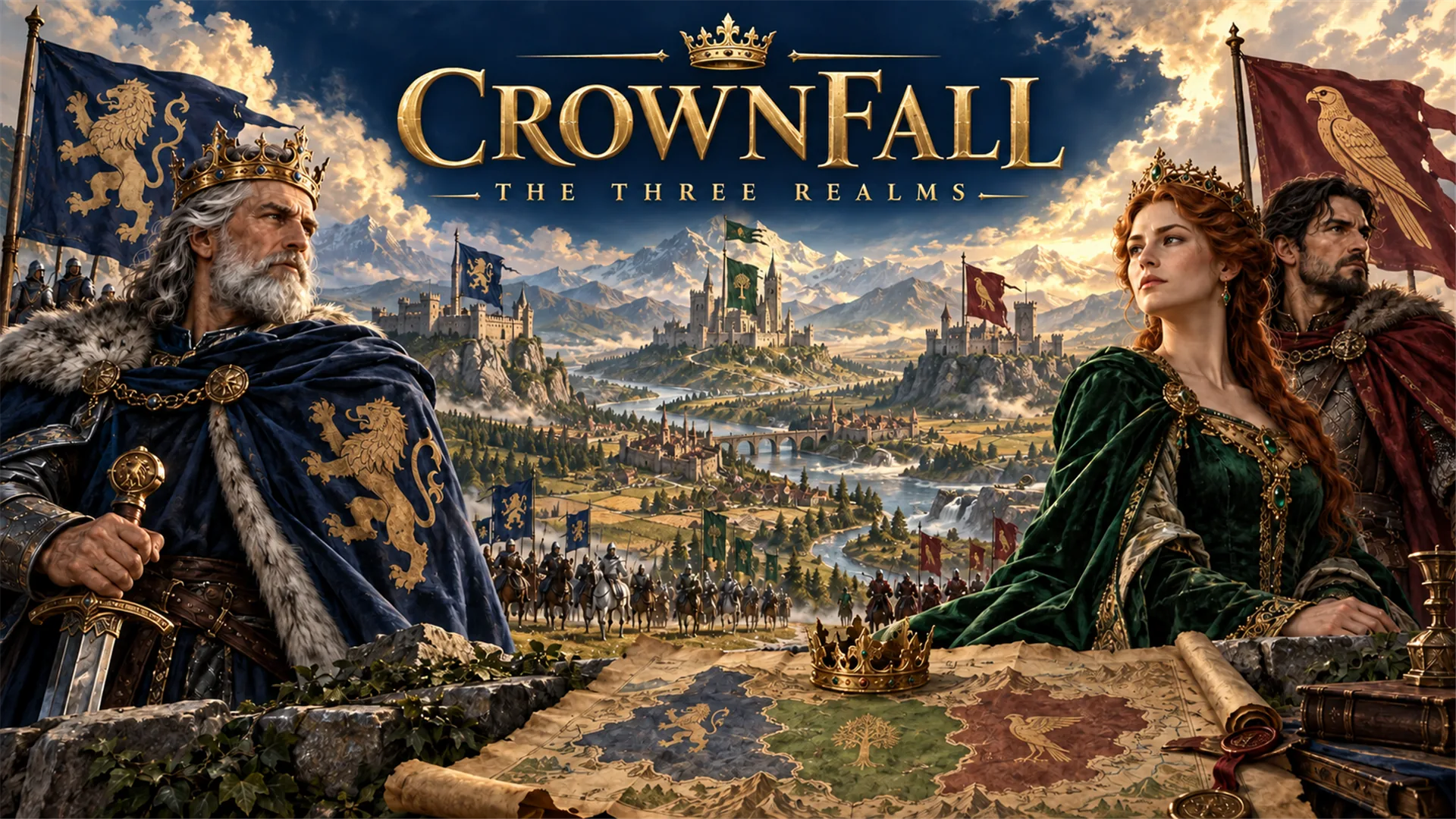 RPGCrownfall-The-Three-Realms-CoverPlay game ↗
 SimulationFLYING CARPlay game ↗
Give an AI Game Quest Writer for Branching… enough context to make the result specific, then test the part that matters to your project.
Describe the setting, player hook, NPC goals, tone, constraints, and intended playtime. The draft establishes stakes, conflicting motivations, and the reason the player becomes involved.
Choose objective order, gates, decision points, encounter beats, and information revealed before each choice. The quest is organized into states with meaningful branch costs and reachable outcomes.
Check success, failure, partial outcomes, consequences, reward rationale, edge cases, and scope. The design becomes a structured handoff for engine mapping and team review.
Why use it
Focus on the parts of the idea that need a concrete result before the next decision.
Success, failure, and partial states tied to consequences, world-state changes, and a journey-justified reward.
Try it nowStable IDs, flags, transitions, conditions, inventory checks, and edge cases for mapping into a state machine or JSON schema.
Try it nowYou define who the experience serves and what a successful result needs to do.
Choose what comes next
The page can organize a proposal, but people still decide what is accurate, original, usable, and ready for the next stage.
You define who the experience serves and what a successful result needs to do.
You check factual fit, originality, continuity, accessibility, and whether the pieces work together.
You decide what is ready for implementation, sharing, publishing, or another round of work.
Who it is for
creators, designers, and small teams can use this page to make one project decision easier to test before a larger build or launch.
Searches mapped to this route include “3d writing” and “3d writing maker”. Confirm the actual job and destination instead of assuming every wording is equivalent. Record the input, expected output, format, destination, rights, performance target, and human review as a concrete acceptance test.
Put the audience, desired result, and constraints beside one proposal so the team can discuss the same idea.
Review quality, continuity, accessibility, rights, and publishing requirements before using the result in a real project.
A clearer first move
A useful first result gives the next decision something concrete to react to, without hiding the work that still needs human ownership.
SEELE AI on YouTube
Reviews, walkthroughs, and games made with SEELE AI by creators on YouTube.
FAQ
An AI game quest writer can turn a premise into a structured quest draft with NPC motivations, objectives, gates, branches, dialogue or encounter beats, outcomes, consequences, and reward logic. Treat that draft as design material: a human designer should test pacing, continuity, tone, difficulty, and whether every choice maps cleanly to implementation states.
Give each branch a different cost, beneficiary, and world-state consequence rather than changing only the final line of dialogue. Define the information or inventory gate that unlocks each choice, show what the player learns before deciding, and carry the result into later encounters, NPC availability, faction attitude, or travel conditions.
Yes. Ask for explicit completion states and define what persists after each one. A success state can unlock an ally, failure can remove an opportunity without ending the campaign, and a partial outcome can preserve one resource while sacrificing another. Review every state to ensure the campaign remains playable and narratively coherent.
Describe the job, test one version, and decide what to do next inside SEELE AI.
Start creating