
HUD And Component System
Score, progress, status indicators, primary buttons, secondary controls, and their key states.
Try it now
Design a mini game UI kit with a start screen, HUD, score panel, buttons, result states, and a mobile-friendly layout in Seele AI.
Start with free starter credits
Shape an idea, make it playable, and share it with the people who will play.

Start with a spark, a world, or a what-if worth exploring.
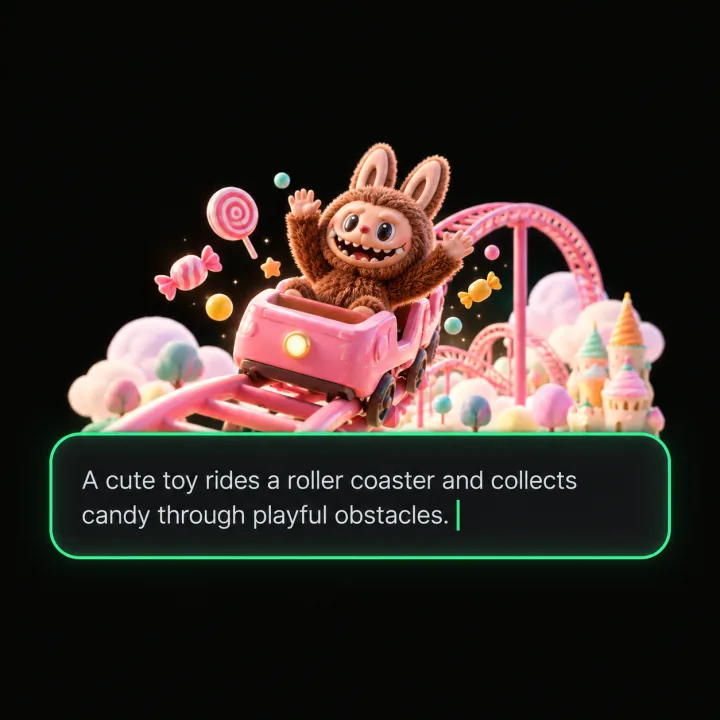
Turn the idea into a prompt with a player, a goal, and a core loop.
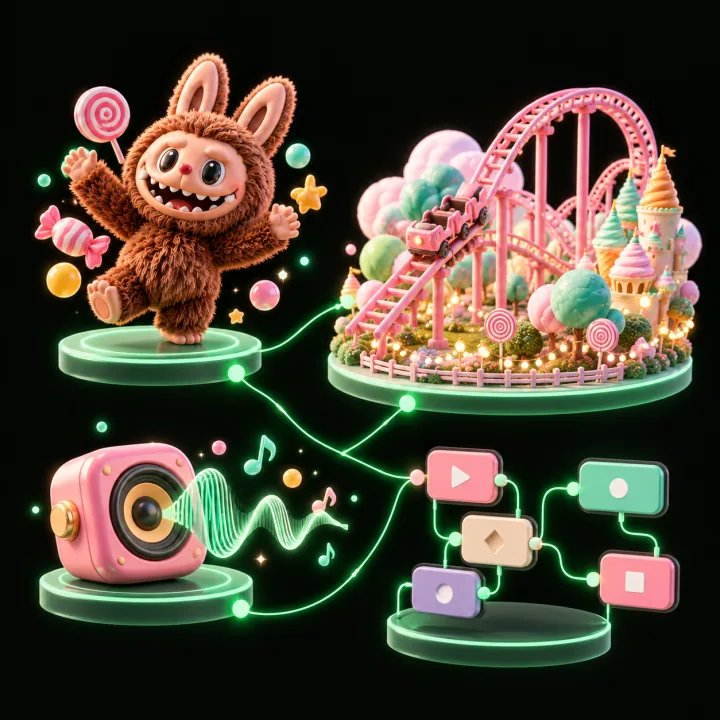
Shape the characters, environments, and systems that make it playable.
Try the game, tune the experience, and get it ready to share.
Invite others to explore the world you made.
Examples
Start with a direction that resembles your project, then change the mechanics, look, or audience before you build further.
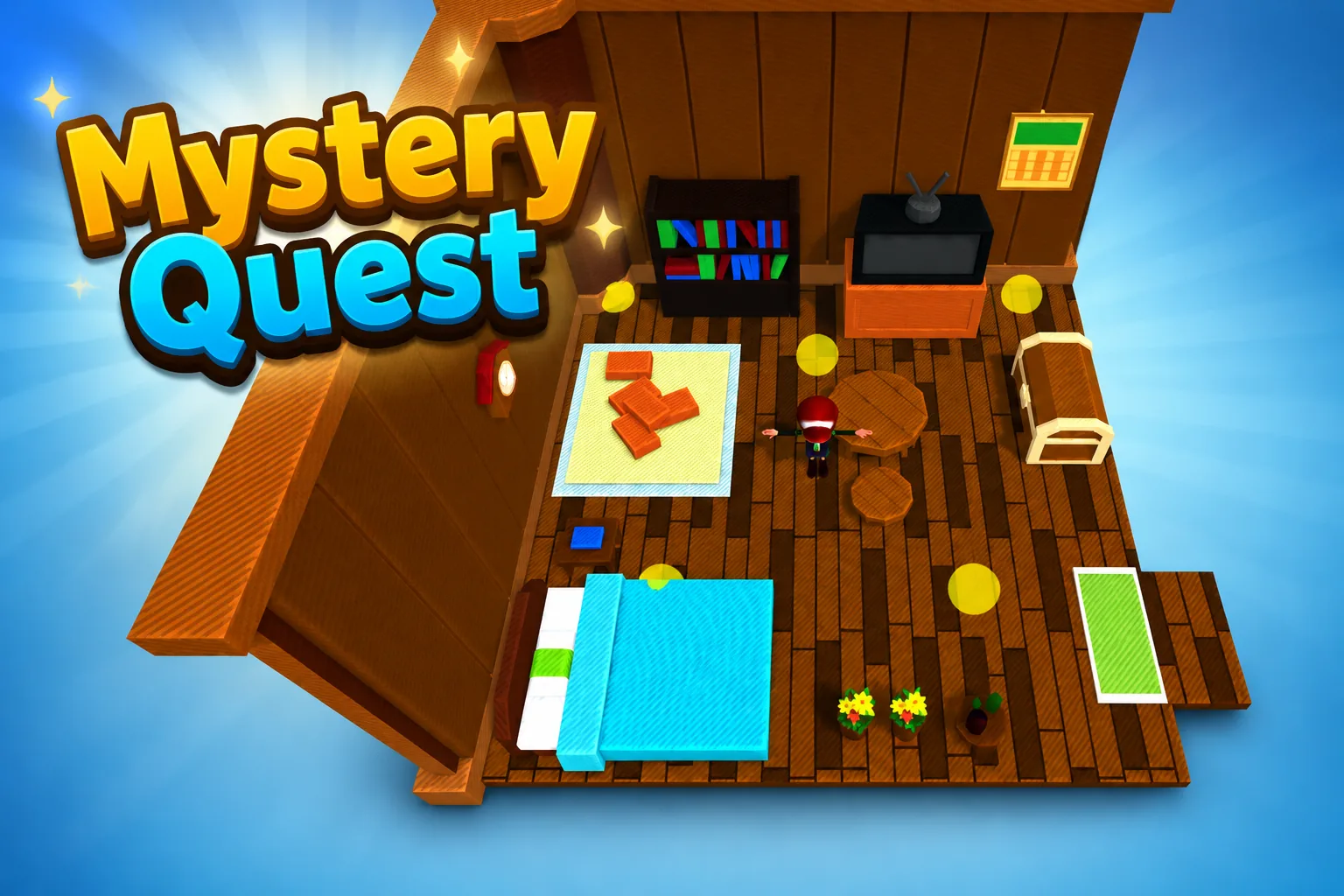 AdventureAdventure GamePlay game ↗
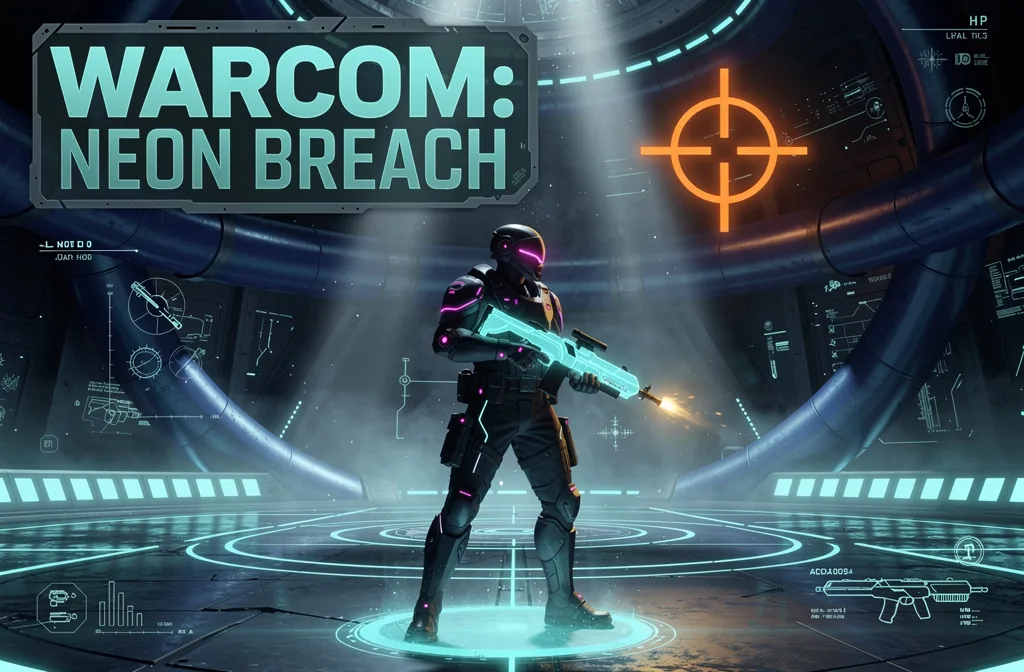 ShooterWarcom: Neon BreachPlay game ↗
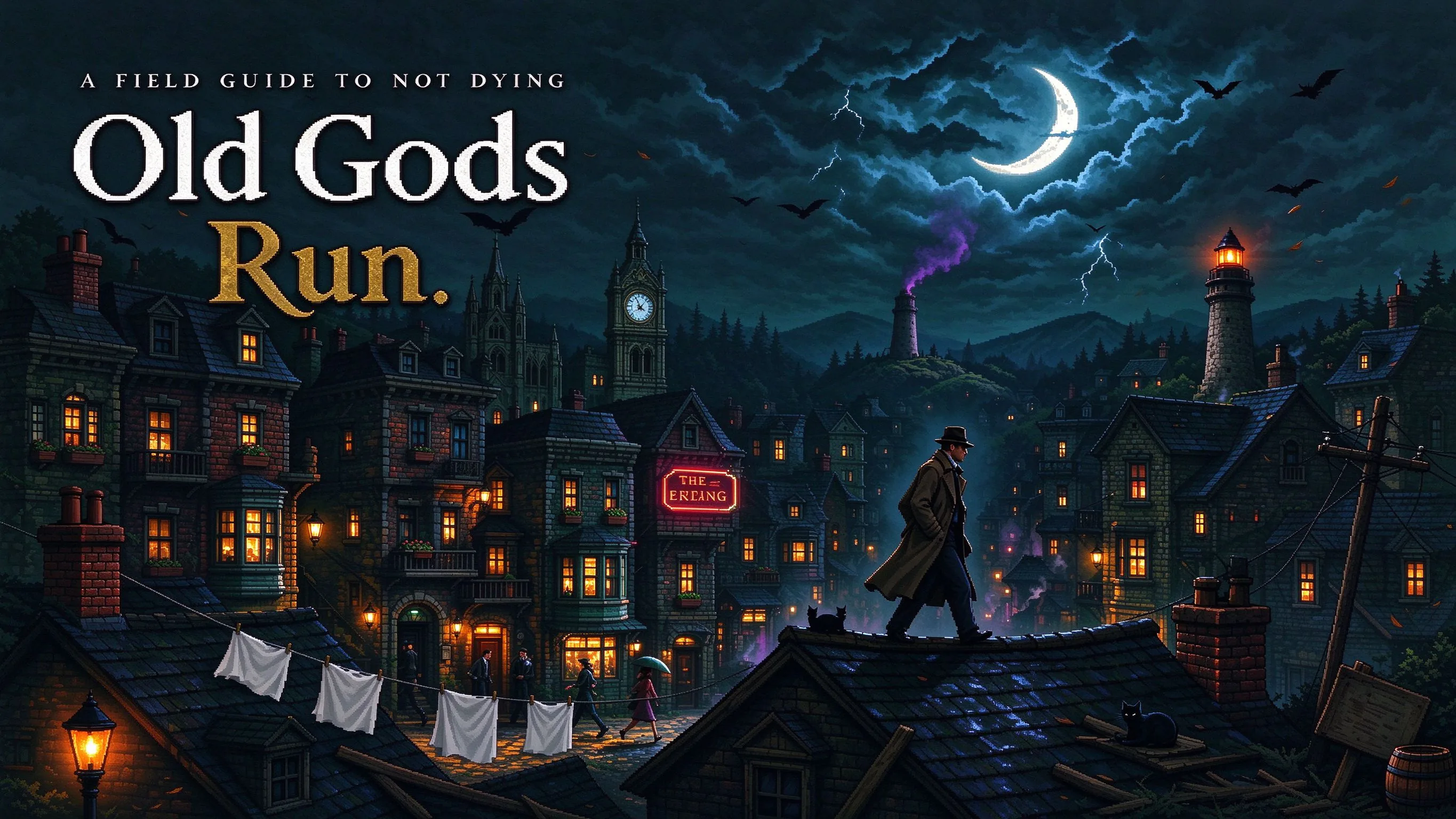 ActionOld Gods RunPlay game ↗
 CasualCaution! Egg on the Car RoofPlay game ↗
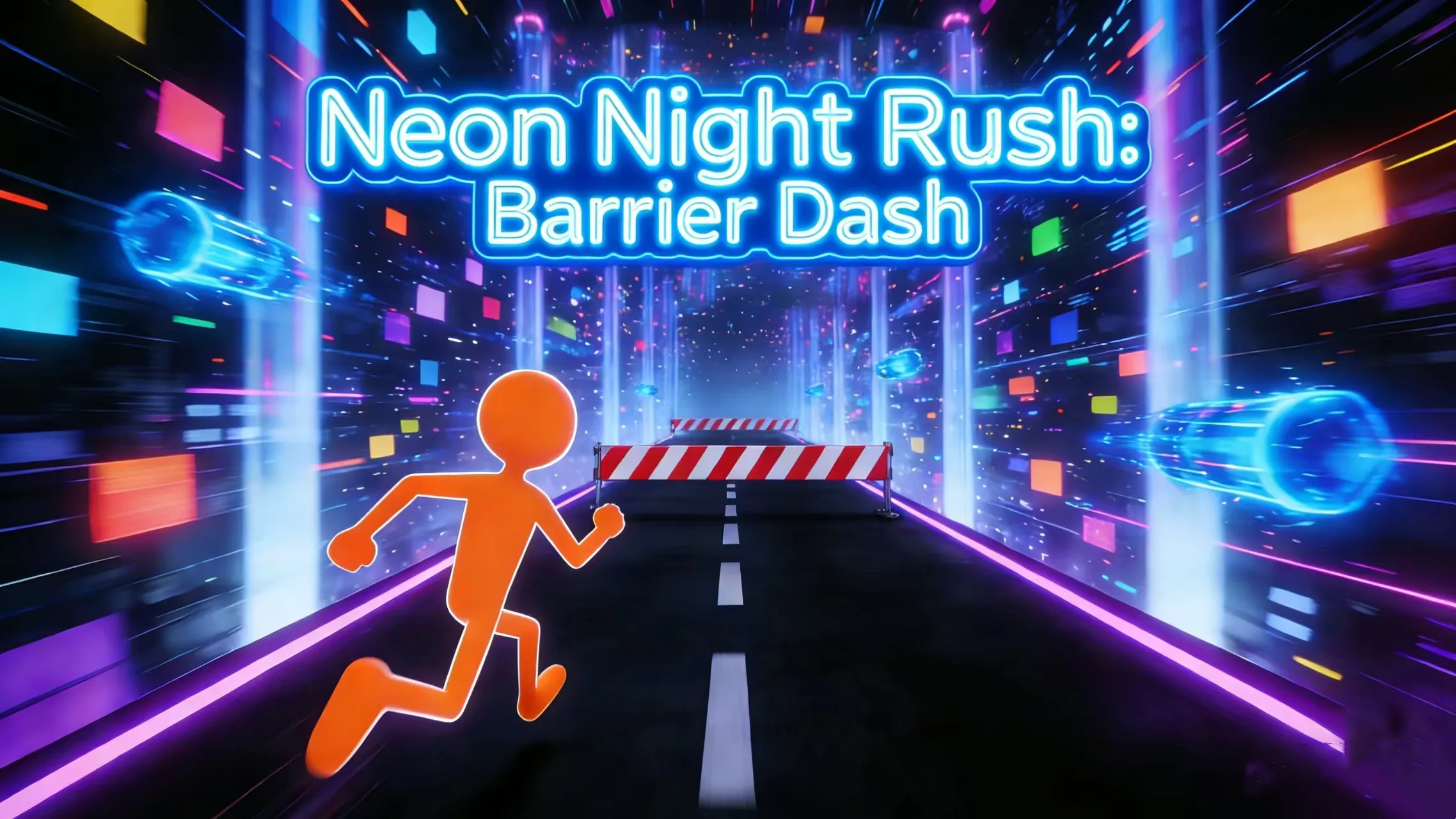 RunnerNeon Night Rush: Barrier DashPlay game ↗
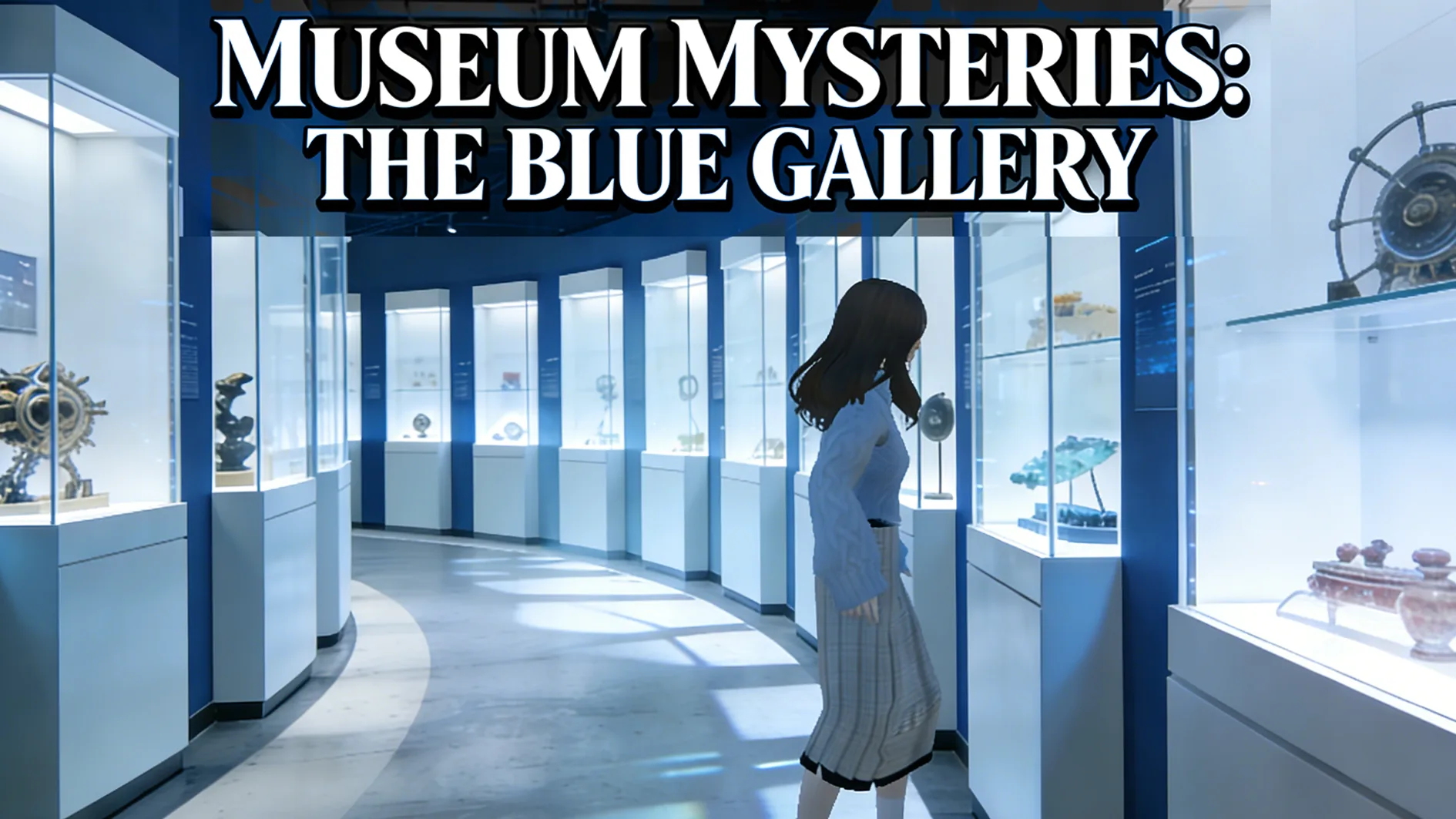 PuzzleMuseum ExhibitionPlay game ↗
 SimulationMilky Way Idle 3DPlay game ↗
 CasualSnowfall & Starry GiftsPlay game ↗
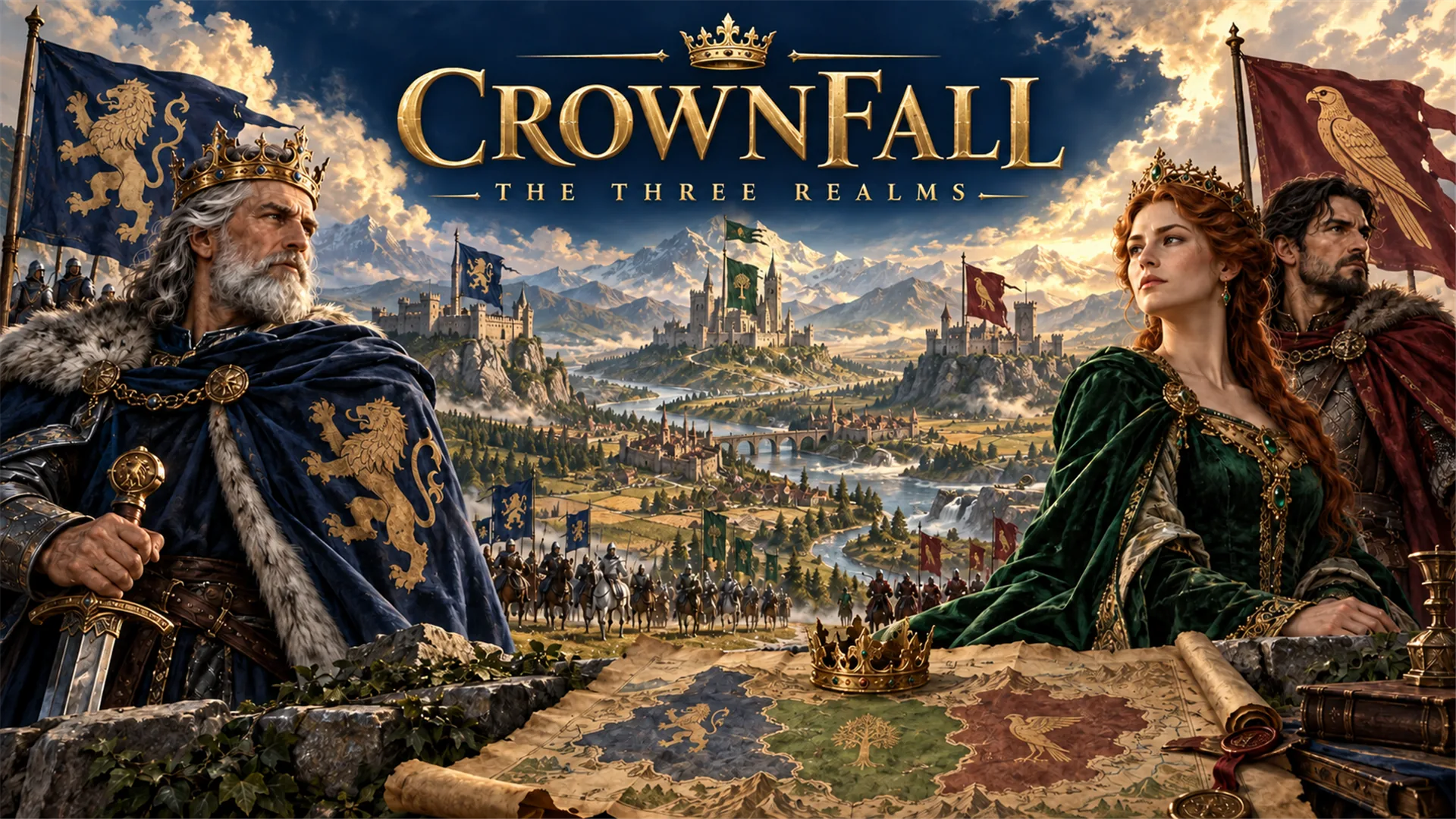 RPGCrownfall-The-Three-Realms-CoverPlay game ↗
 SimulationFLYING CARPlay game ↗
Give a Game UI Design for Mini Games enough context to make the result specific, then test the part that matters to your project.
Describe the game loop, score or progress model, target device, required screens, and the information players need during play. Seele organizes the request into screen, HUD, component, state, and responsive-layout requirements.
Run the prompt with a concrete genre, art direction, and mobile constraints. Seele drafts a coordinated start screen, HUD, score panel, buttons, result states, and mobile layout direction.
Check readability, touch targets, state transitions, score feedback, accessibility, and safe areas in a working prototype. Seele can revise the design direction from specific feedback while the developer validates behavior in the actual build.
Why use it
Focus on the parts of the idea that need a concrete result before the next decision.
Score, progress, status indicators, primary buttons, secondary controls, and their key states.
Try it nowSafe-area, touch-target, hierarchy, portrait or landscape, and responsive-behavior guidance.
Try it nowYou define who the experience serves and what a successful result needs to do.
Choose what comes next
The page can organize a proposal, but people still decide what is accurate, original, usable, and ready for the next stage.
You define who the experience serves and what a successful result needs to do.
You check factual fit, originality, continuity, accessibility, and whether the pieces work together.
You decide what is ready for implementation, sharing, publishing, or another round of work.
Who it is for
creators, designers, and small teams can use this page to make one project decision easier to test before a larger build or launch.
Use a Game UI Design for Mini Games when you need to see how an idea, interaction, asset, or release path might work.
Put the audience, desired result, and constraints beside one proposal so the team can discuss the same idea.
Review quality, continuity, accessibility, rights, and publishing requirements before using the result in a real project.
A clearer first move
A useful first result gives the next decision something concrete to react to, without hiding the work that still needs human ownership.
SEELE AI on YouTube
Reviews, walkthroughs, and games made with SEELE AI by creators on YouTube.
FAQ
A practical first-pass kit usually includes a start screen, the in-game HUD, score and progress states, primary and secondary buttons, pause or settings controls, success and failure result screens, and mobile-safe variations. Keep component names and interaction states consistent so reviewers can compare screens quickly.
Prioritize the few values a player needs during play, reserve safe areas around notches and touch controls, use clear contrast, and test at the smallest supported viewport. Check that labels, icons, score changes, and button states remain legible without covering the action.
No. Treat it as a design draft. A designer and developer should validate interaction states, accessibility, localization, platform safe areas, asset rights, responsive behavior, and implementation feasibility before shipping.
Describe the job, test one version, and decide what to do next inside SEELE AI.
Start creating