Computer-use intent · bounded editor control and visible-state verification

Claude Opus 5 Computer Use in Unreal Editor

Evaluate Claude Opus 5 computer use around Unreal Editor with bounded permissions, visual-state checks, save and package gates, audit trails, recovery, and a SEELE creation handoff.

Direct answer

Anthropic describes improved computer-use capability, but that is not an Unreal Editor integration or correctness guarantee. Evaluate it inside a disposable project or isolated branch with a fixed viewport, explicit read and write scope, save checkpoints, action logs, cancellation, and native tests. Never allow unsupervised publishing, purchasing, credential entry, destructive content operations, or production changes. For direct game creation, use SEELE to generate and preview a native Unreal 5 project, then inspect the output under normal project controls.

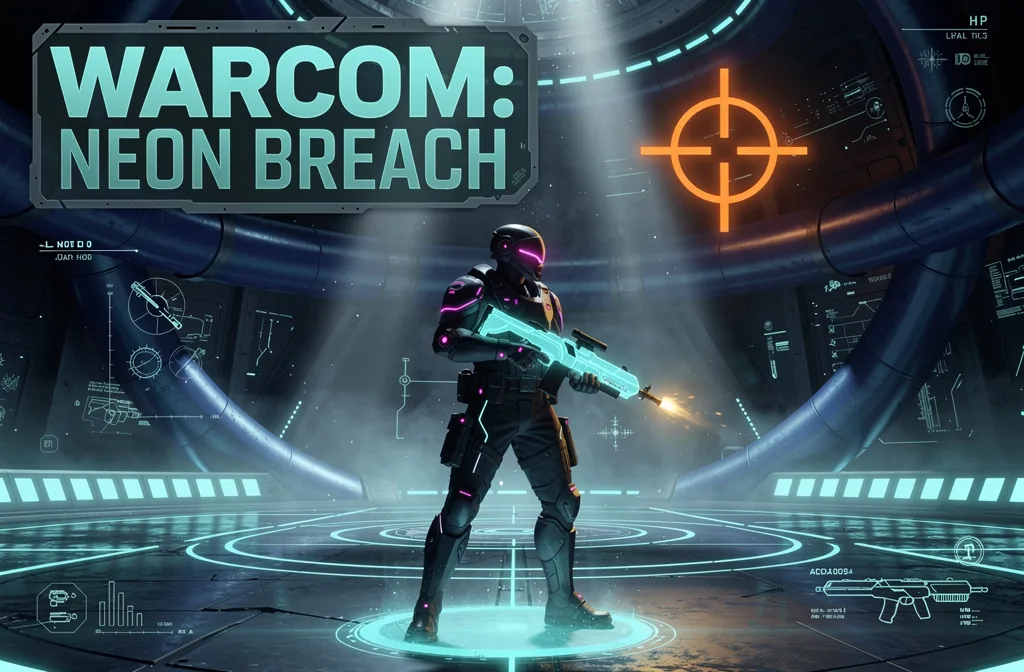
Seedream concept art of bounded editor automation protected by build, package, and publish approval gates
SEELE editorial concept created with Seedream 5.0. It is not an Anthropic or Epic asset, not a real Unreal Editor screenshot, not gameplay, and not proof of an official integration.

Start building an Unreal 5 game in SEELE

Choose a concrete prompt, open the SEELE Unreal creator, review the prefilled brief, and generate the native project. The first prompt is tailored to this page; the remaining prompts are reusable starting points.

Use this page's scoped brief

Create a native Unreal 5 workshop puzzle where the player rotates three machinery parts to restore a waterwheel, sees each valid connection, completes the repair, and can reset the mechanism. Use one compact level, explicit interaction highlights, keyboard and controller input, a short failure path, and a browser-preview sequence suitable for repeatable visual and semantic inspection.

Use this prompt in SEELE

Generate a mountain exploration game

Use Unreal Engine to generate a simple third-person tour game with mountains and water. Include responsive movement, a clear route, one completion state, failure recovery, immediate restart, browser preview, and a native downloadable Unreal 5 project.

Use this prompt in SEELE

Generate a playable dungeon crawler

Build a compact dungeon crawler using Unreal Engine. Include third-person movement, one combat loop, two connected rooms, one key-and-door objective, visible health and feedback, death, completion, immediate restart, browser preview, and a native downloadable Unreal 5 project. Test and regress the result.

Use this prompt in SEELE

Generate a city tour with weather

Create a native Unreal 5 third-person city tour with a compact walkable district, vegetation, landmark lighting, and sunny, cloudy, and rainy weather states. Include clear controls, browser preview, stable restart behavior, packaging checks, and local project download.

Use this prompt in SEELE

What SEELE gives you after generation

Native Unreal 5 project

An inspectable Unreal project rather than a model answer or an unofficial integration claim.

Browser preview

A fast way to check camera, controls, objective clarity, feedback, completion, failure, and restart before local continuation.

Optimization and packaging path

A workflow for performance review and package preparation before external distribution.

Downloadable project

A local project handoff for source, Blueprint, asset, plugin, rights, build, target-device, and release review.

What is verified—and what it means for Unreal

Visual control is stateful

Editor layout, modal dialogs, focus, selection, viewport mode, unsaved packages, source-control state, compilation, and background tasks can change what the same click or shortcut does.

Computer use is not an engine API

Mouse and keyboard success does not prove the correct actor, asset, graph, property, level, target, or build configuration was changed. Readable project evidence remains necessary.

Authority must be granular

Separate navigation, inspection, property edits, graph edits, file writes, source-control actions, builds, packaging, network access, marketplace actions, and publishing.

Recovery is part of the test

A safe agent can stop on ambiguity, report the visible state, recover after a modal or focus change, and return to a known checkpoint without compounding edits.

A five-stage safe computer use around Unreal Editor workflow

Prepare a disposable environment

Use a copy, isolated branch, test account, non-production services, fixed Unreal version, known editor layout, explicit map, clean source-control state, and recoverable snapshots. Disable credentials and irreversible integrations.

Define observable micro-tasks

Start with read-only navigation, locating an asset, opening a Blueprint, reading a property, or running a known test. Progress to one reversible edit only after state recognition is reliable.

Gate every state transition

Require a screenshot or structured observation before and after selecting, editing, saving, compiling, switching levels, running PIE, cooking, packaging, or closing. Pause on unexpected dialogs, missing assets, warnings, or focus changes.

Verify outside the cursor path

Inspect the actual asset, source diff, package dirty state, compile output, automation result, runtime behavior, editor restart, cook, package, and target execution. The action log and final state must agree.

Separate creation from automation claims

Use SEELE to generate the native Unreal project and browser preview when that is the product goal. Treat any computer-use automation as a separately evaluated editing aid, then download or continue packaging only after review.

Failure modes to block before adoption

Risk 1

A focus shift can send shortcuts to the wrong panel, asset, text field, operating-system window, or destructive confirmation dialog.

Risk 2

Visual similarity can confuse maps, Blueprint instances, material instances, levels, data assets, build targets, or source-control revisions.

Risk 3

Autosave and dirty packages can hide when a change occurred and make rollback incomplete.

Risk 4

Marketplace, account, credential, publish, delete, and production operations require human control even if the UI action appears routine.

Decision scorecard

DimensionWhat good looks likeEvidence to keep
State recognitionNames the active window, project, map, asset, selection, mode, modal, and save state correctlyBefore-and-after observation matched to editor state
Action safetyUses the minimum reversible action and stops on ambiguityAudit log, permission checks, forced unexpected-dialog tests
Project correctnessThe intended asset or source changed without hidden collateral editsDiff, dirty-package list, compile, runtime, and restart evidence
RecoveryCancellation and interruption return to a known stateSnapshot restore, resume drill, rollback, and clean reopen

Unreal implementation notes for this decision

Stabilize the visible environment

Fix display scaling, resolution, editor layout, language, theme, key bindings, viewport mode, project and map, open panels, source-control state, and background tasks. Capture a baseline image and machine-readable project identifiers before each run.

Prefer semantic confirmation

After a visual action, confirm the asset path, class, property, package state, source diff, compile result, and runtime behavior through editor data or project files when available. Pixels show what appeared; semantic evidence shows what actually changed.

Test failure handling deliberately

Introduce an unexpected modal, slow compile, missing asset, moved panel, focus loss, unsaved package, source-control conflict, and denied permission. A safe system should pause, report, recover, or roll back instead of continuing a memorized click sequence.

From evaluated idea to a SEELE native Unreal project

Use the model research to tighten the brief, not to replace project evidence. The direct creation path is deliberately short and observable:

1. Bound the player loop

Keep one camera, one primary verb, one objective chain, explicit failure and completion, restart behavior, visual direction, controls, target session length, and a clear cut list.

2. Generate in SEELE

Open the canonical Unreal creator, choose the closest verified starter world, submit the brief, and generate a native Unreal 5 project rather than treating a text answer as the deliverable.

3. Inspect the browser preview

Play the result from start through success, failure, and restart. Check camera, input, objective clarity, feedback, interaction state, visual hierarchy, and obvious performance or stability problems.

4. Download or continue production

Review the project, source, Blueprints, assets, plugins, rights, configuration, performance, saves, networking, cook, package, and target requirements before local continuation or external release.

Starter creation brief

Create a native Unreal 5 workshop puzzle where the player rotates three machinery parts to restore a waterwheel, sees each valid connection, completes the repair, and can reset the mechanism. Use one compact level, explicit interaction highlights, keyboard and controller input, a short failure path, and a browser-preview sequence suitable for repeatable visual and semantic inspection.

Official evidence and capability boundary

Snapshot date: July 25, 2026. Anthropic's July 24, 2026 announcement is the first-party source for release status, pricing, positioning, and launch availability. It does not claim an Epic-supported Unreal integration. Epic documentation and the exact project remain authoritative for engine behavior, compilation, assets, tests, cooking, packaging, and target-platform results.

Anthropic release

Release date, claude-opus-5 model ID, coding and agent positioning, pricing, Fast mode, alignment, safety, and availability.

Open official announcement

Developer guidance

Re-check current model behavior, API surface, prompting guidance, limits, effort settings, and migration notes before production use.

What's new in Opus 5 · Prompting guide

Continue through the Claude Opus 5 × Unreal cluster

Secure Claude Opus 5 Unreal Agent Workflows

Threat-model Claude Opus 5 Unreal agent workflows across source, assets, tools, prompts, credentials, builds, plugins, publishing, data handling, approvals, and SEELE handoff.

Read this guide

Claude Opus 5 for Unreal C++ and Blueprints

Test Claude Opus 5 on Unreal C++ and Blueprint work with exact context, reviewable diffs, compile evidence, automation, packaged checks, security, and rollback.

Read this guide

Claude Opus 5 Pricing for Unreal Work

Calculate Claude Opus 5 cost for Unreal coding and agent tasks using official $5/$25 token pricing, effort, cache behavior, tools, retries, review time, and task-level budgets.

Read this guide

Frequently asked questions

Does Claude Opus 5 officially control Unreal Editor?

The cited Anthropic release discusses computer use generally; it does not establish an Epic-supported Unreal Editor integration.

What is the safest first Unreal computer-use task?

Use a disposable project and begin with read-only navigation to a known asset, property, log, or automation test.

Can visual automation replace Unreal APIs or source control?

No. Visual actions need confirmation through real assets, source diffs, compilation, runtime checks, and recoverable version control.

Should an agent package or publish the game?

Only behind explicit human approval, constrained credentials, target checks, artifact review, and a documented rollback path.

Where does SEELE fit?

SEELE is the direct creation path for a native Unreal 5 project and browser preview; editor computer use is a separate automation surface that must be evaluated safely.

What proves a computer-use edit changed the intended Unreal object?

Match the action log with the exact asset or source path, dirty-package state, diff, compile result, runtime behavior, editor restart, and packaged or target test.

Turn the research into a native Unreal 5 game

Open the canonical SEELE Unreal creator, choose a verified starter world, generate the native project, inspect the browser preview, then download or continue optimization and packaging. Keep third-party model evaluation and project evidence separate.