
Google release
Release date, positioning, reported efficiency, benchmark comparisons, pricing, and starting availability.
Try it now
Use Gemini 3.6 Flash for bounded Unreal C++ and Blueprint planning, review, tests, recovery, and handoff while keeping compilation and runtime validation…
Start with free starter credits
Shape an idea, make it playable, and share it with the people who will play.

Start with a spark, a world, or a what-if worth exploring.
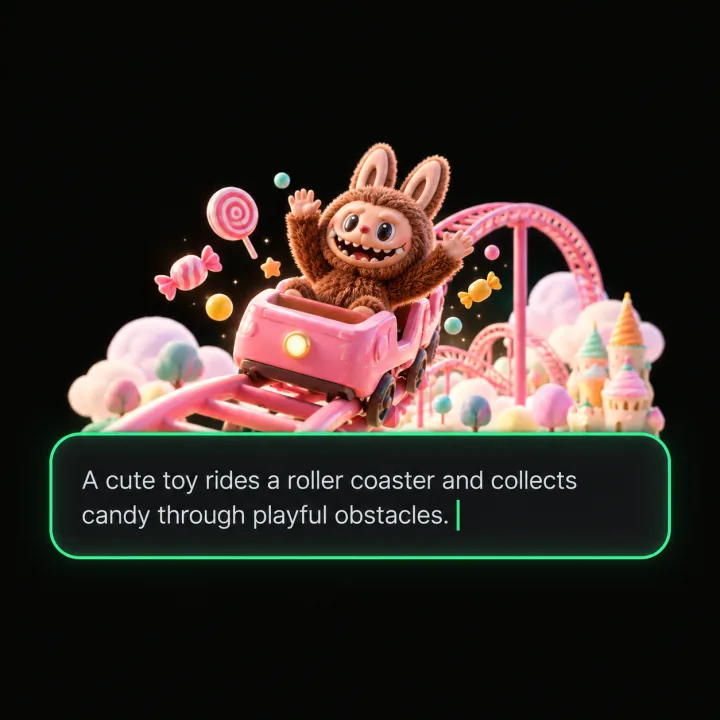
Turn the idea into a prompt with a player, a goal, and a core loop.
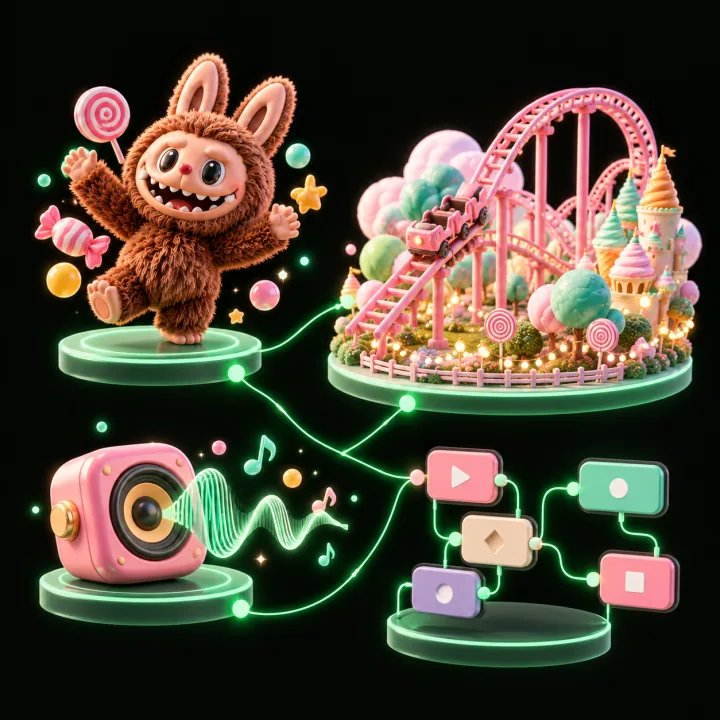
Shape the characters, environments, and systems that make it playable.
Try the game, tune the experience, and get it ready to share.
Invite others to explore the world you made.
Examples
Start with a direction that resembles your project, then change the mechanics, look, or audience before you build further.
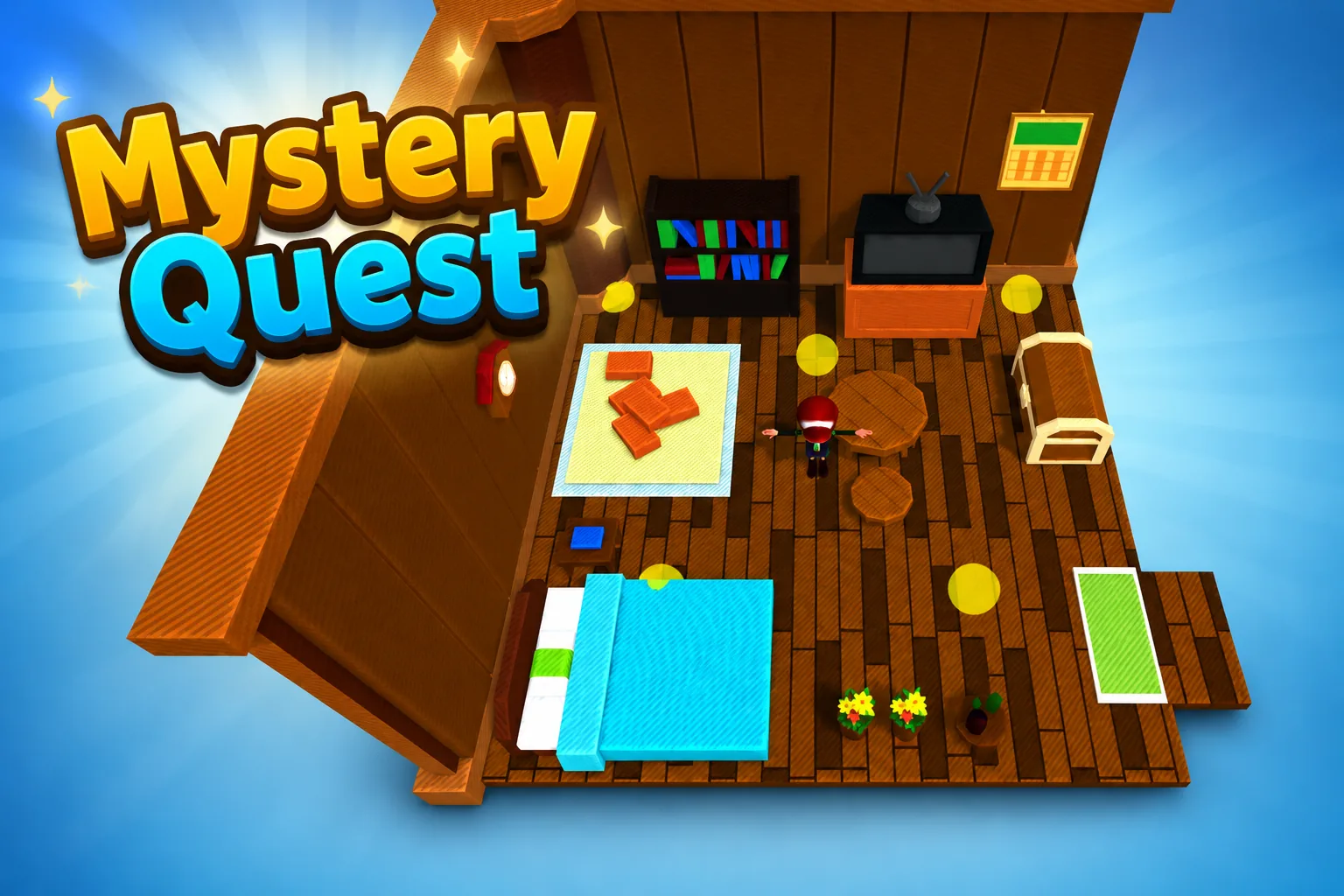 AdventureAdventure GamePlay game ↗
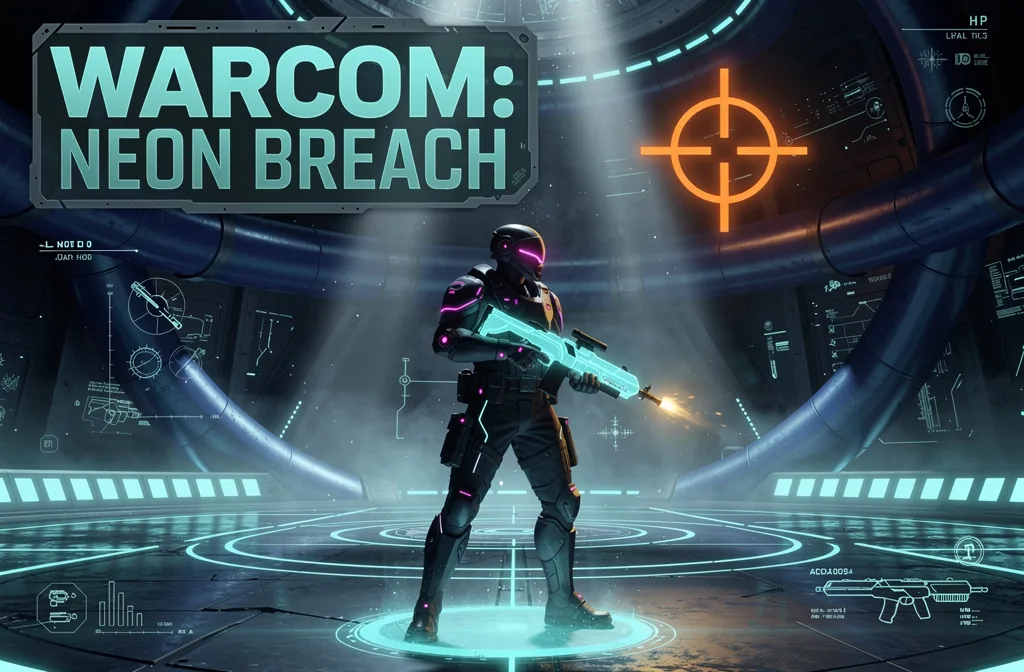 ShooterWarcom: Neon BreachPlay game ↗
 ActionOld Gods RunPlay game ↗
 CasualCaution! Egg on the Car RoofPlay game ↗
 RunnerNeon Night Rush: Barrier DashPlay game ↗
 PuzzleMuseum ExhibitionPlay game ↗
 SimulationMilky Way Idle 3DPlay game ↗
 CasualSnowfall & Starry GiftsPlay game ↗
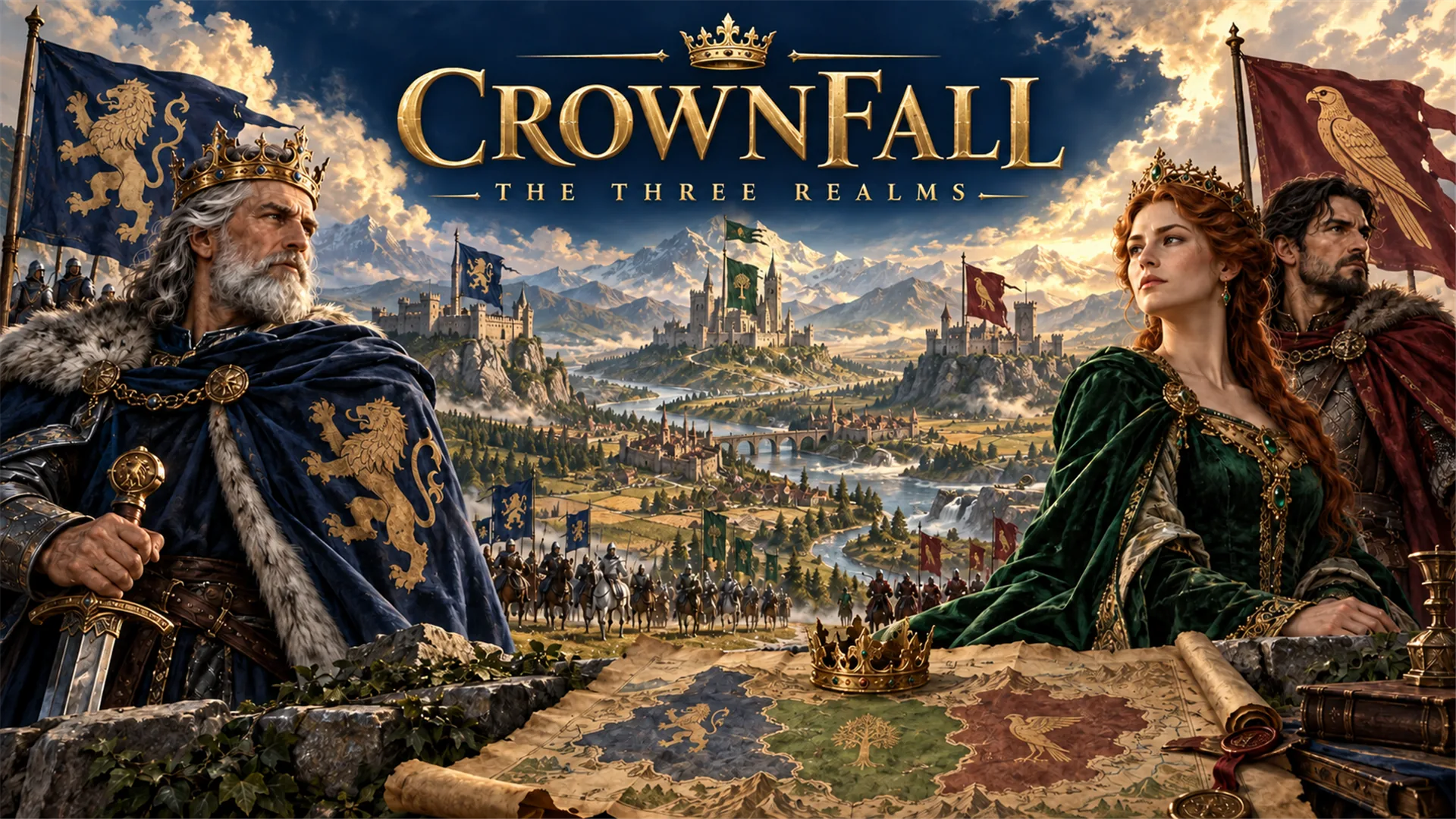 RPGCrownfall-The-Three-Realms-CoverPlay game ↗
 SimulationFLYING CARPlay game ↗
Give a Gemini 3.6 Flash for Unreal C++… enough context to make the result specific, then test the part that matters to your project.
Start with the audience, format, desired result, and the question this page should help answer.
Use an example or write your own prompt. Look at the main interaction, structure, visual choices, and scope together.
Take the useful parts into the workspace and record the implementation, quality, rights, and publishing work that remains.
Why use it
Focus on the parts of the idea that need a concrete result before the next decision.
Release date, positioning, reported efficiency, benchmark comparisons, pricing, and starting availability.
Try it nowRe-check the exact model ID, supported inputs, current status, limits, API behavior, region, and terms before use.
Try it nowReview evaluation scope, safety information, known limitations, and the evidence behind general capability claims.
Try it nowYou define who the experience serves and what a successful result needs to do.
Choose what comes next
The page can organize a proposal, but people still decide what is accurate, original, usable, and ready for the next stage.
You define who the experience serves and what a successful result needs to do.
You check factual fit, originality, continuity, accessibility, and whether the pieces work together.
You decide what is ready for implementation, sharing, publishing, or another round of work.
Who it is for
developers, technical artists, and prototype owners can use this page to make one project decision easier to test before a larger build or launch.
Validate C++, Blueprint, testing, packaging, and runtime behavior in the exact Unreal version used by the project.
Evaluate Gemini 3.6 Flash for Unreal Engine planning, C++, Blueprints, multimodal review, cost, testing, and safe handoff without claiming native UE integration.
Compare Gemini 3.6 Flash and 3.5 Flash for Unreal coding, multimodal review, token efficiency, cost, migration, and controlled project evaluation.
A clearer first move
A useful first result gives the next decision something concrete to react to, without hiding the work that still needs human ownership.
SEELE AI on YouTube
Reviews, walkthroughs, and games made with SEELE AI by creators on YouTube.
FAQ
The model can draft or review source text, but a response is not compiler evidence. Compile with the actual Unreal toolchain and target configuration, inspect Unreal Header Tool and linker output, run automation, and test the packaged target. Keep generated changes in source control so reviewers can attribute and revert them.
It can analyze screenshots, copied node text, exported descriptions, logs, and state diagrams supplied to it. That is not the same as loading the asset, resolving hidden defaults, compiling the graph, or executing it. Provide explicit graph context and validate every proposal inside the target Unreal project.
Not by default. Blueprint and C++ ownership should follow iteration needs, performance evidence, team skills, networking, maintenance, and API stability. Use the model to compare a specific system under measured constraints, then migrate only the responsibility supported by profiling, tests, and a reversible implementation plan.
Describe the job, test one version, and decide what to do next inside SEELE AI.
Start creating