Verify the release package
Check the official source, license, model card, technical report, checksums, supported quantization, serving stack, and hardware requirements after release.
Try it now
Evaluate Kimi K3 open weights for Unreal with a release check, hardware budget, private serving boundary, tool permissions, rollback, and native project tests.
Start with free starter credits
Shape an idea, make it playable, and share it with the people who will play.

Start with a spark, a world, or a what-if worth exploring.
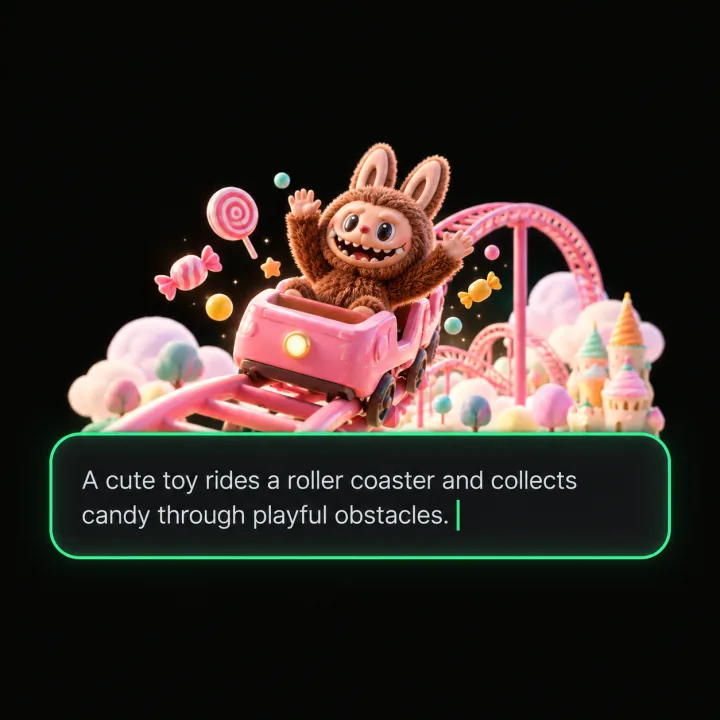
Turn the idea into a prompt with a player, a goal, and a core loop.
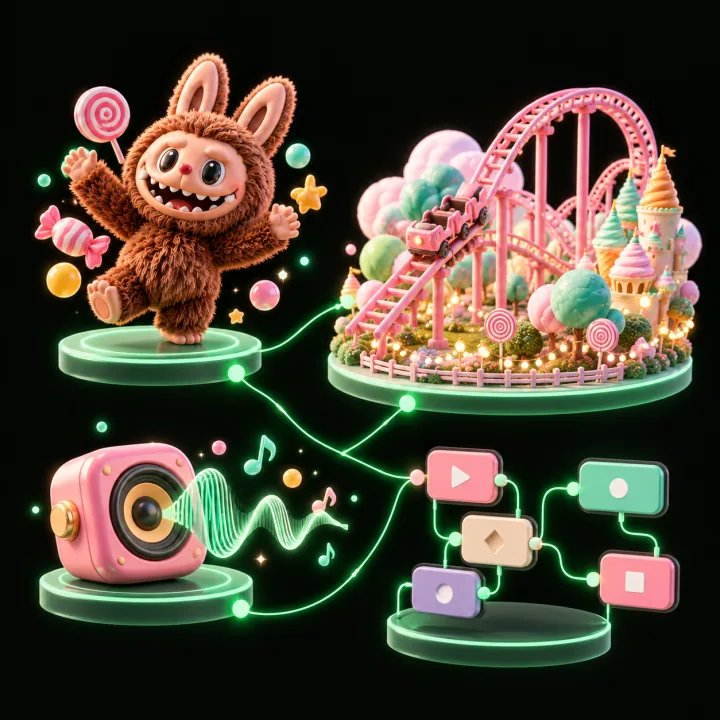
Shape the characters, environments, and systems that make it playable.
Try the game, tune the experience, and get it ready to share.
Invite others to explore the world you made.
Examples
Start with a direction that resembles your project, then change the mechanics, look, or audience before you build further.
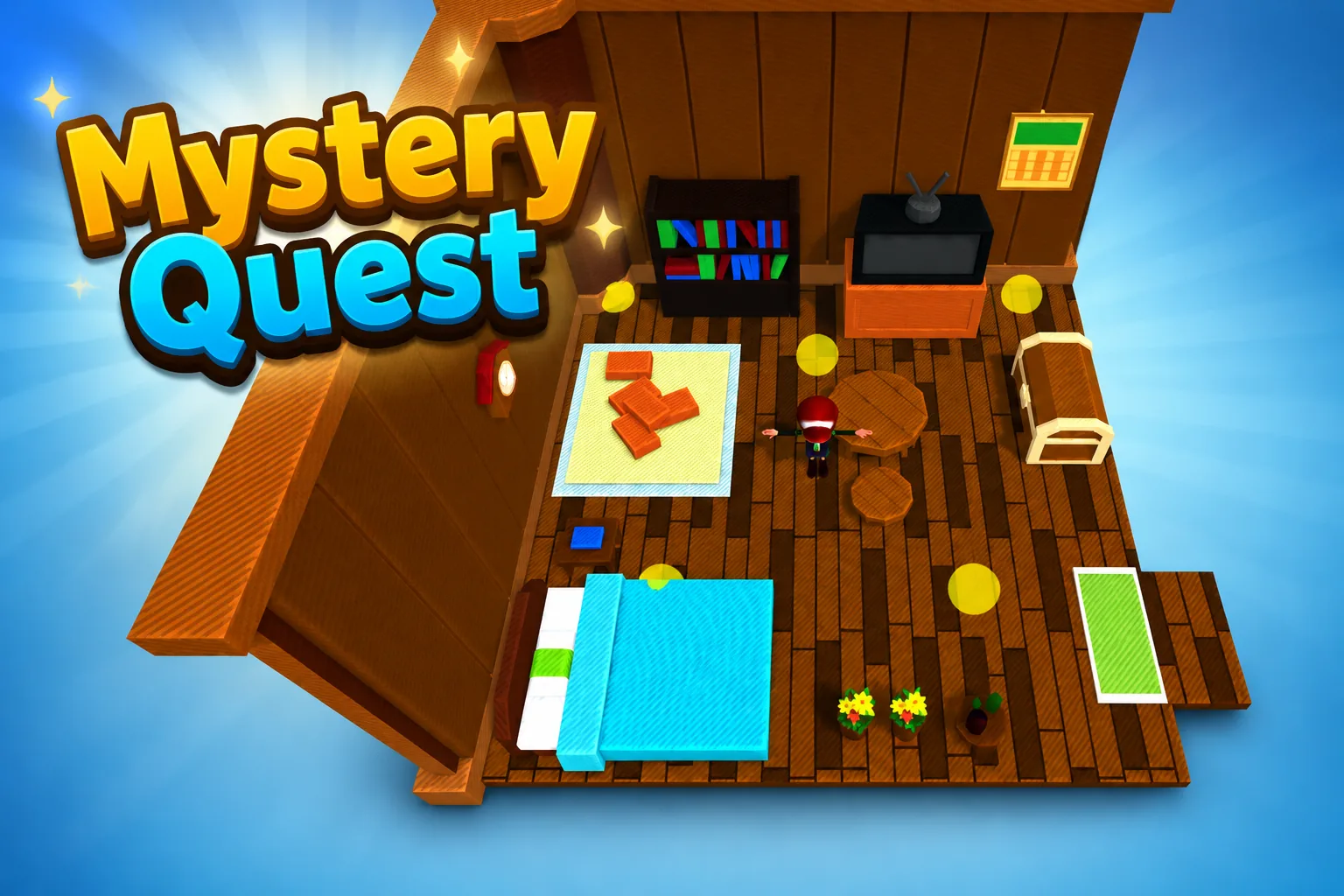 AdventureAdventure GamePlay game ↗
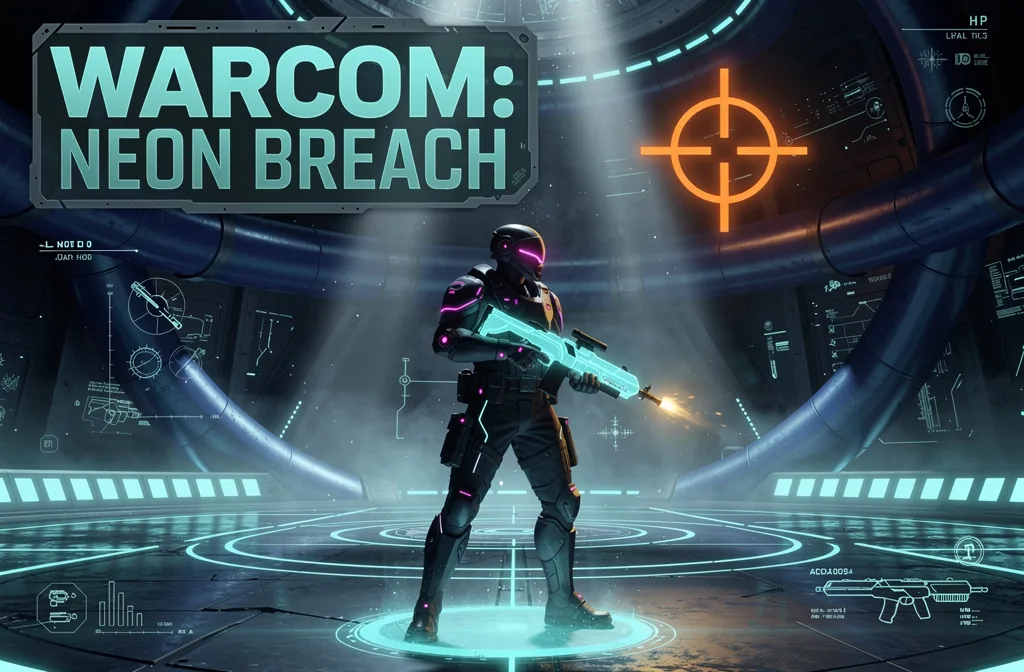 ShooterWarcom: Neon BreachPlay game ↗
 ActionOld Gods RunPlay game ↗
 CasualCaution! Egg on the Car RoofPlay game ↗
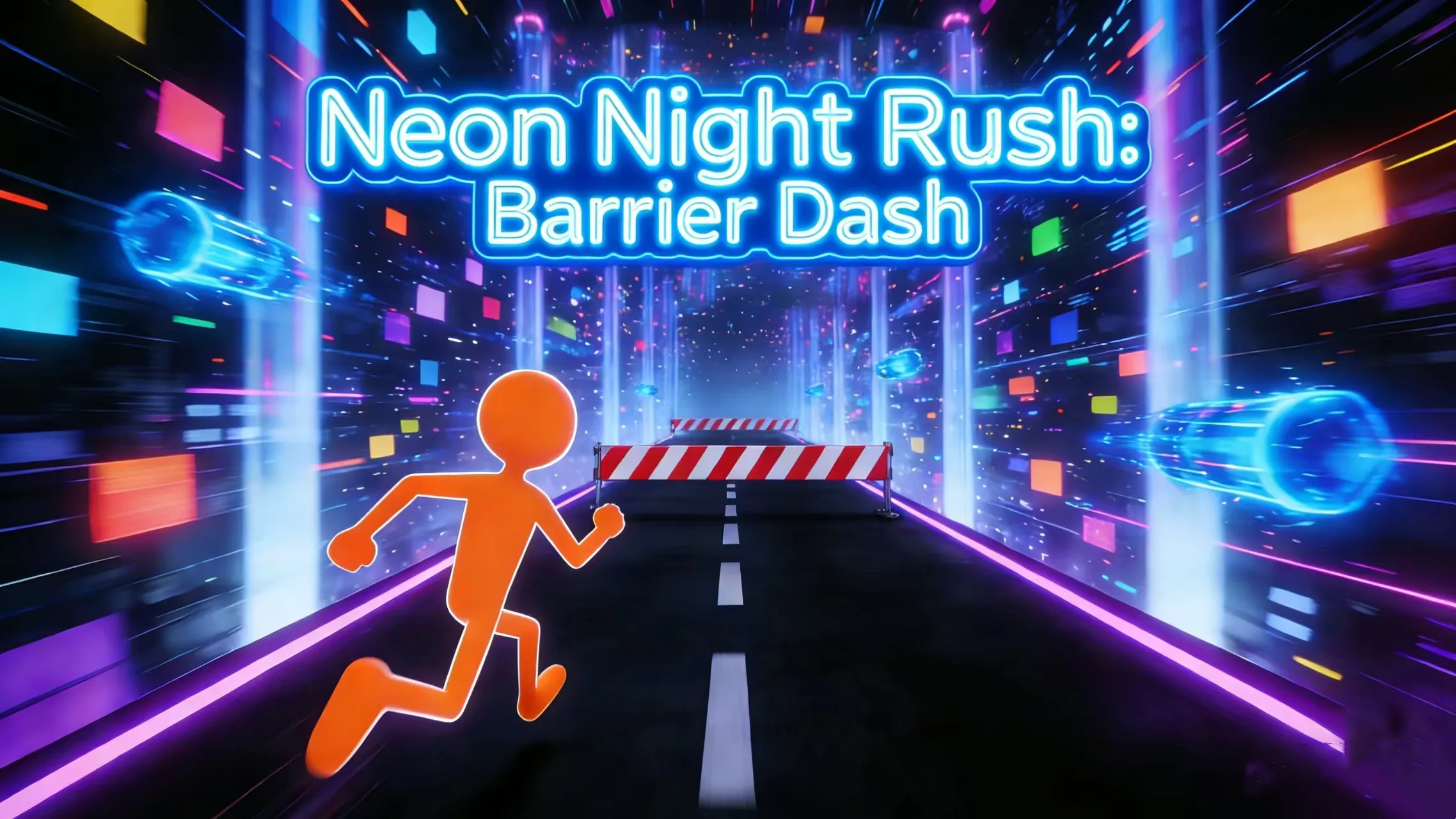 RunnerNeon Night Rush: Barrier DashPlay game ↗
 PuzzleMuseum ExhibitionPlay game ↗
 SimulationMilky Way Idle 3DPlay game ↗
 CasualSnowfall & Starry GiftsPlay game ↗
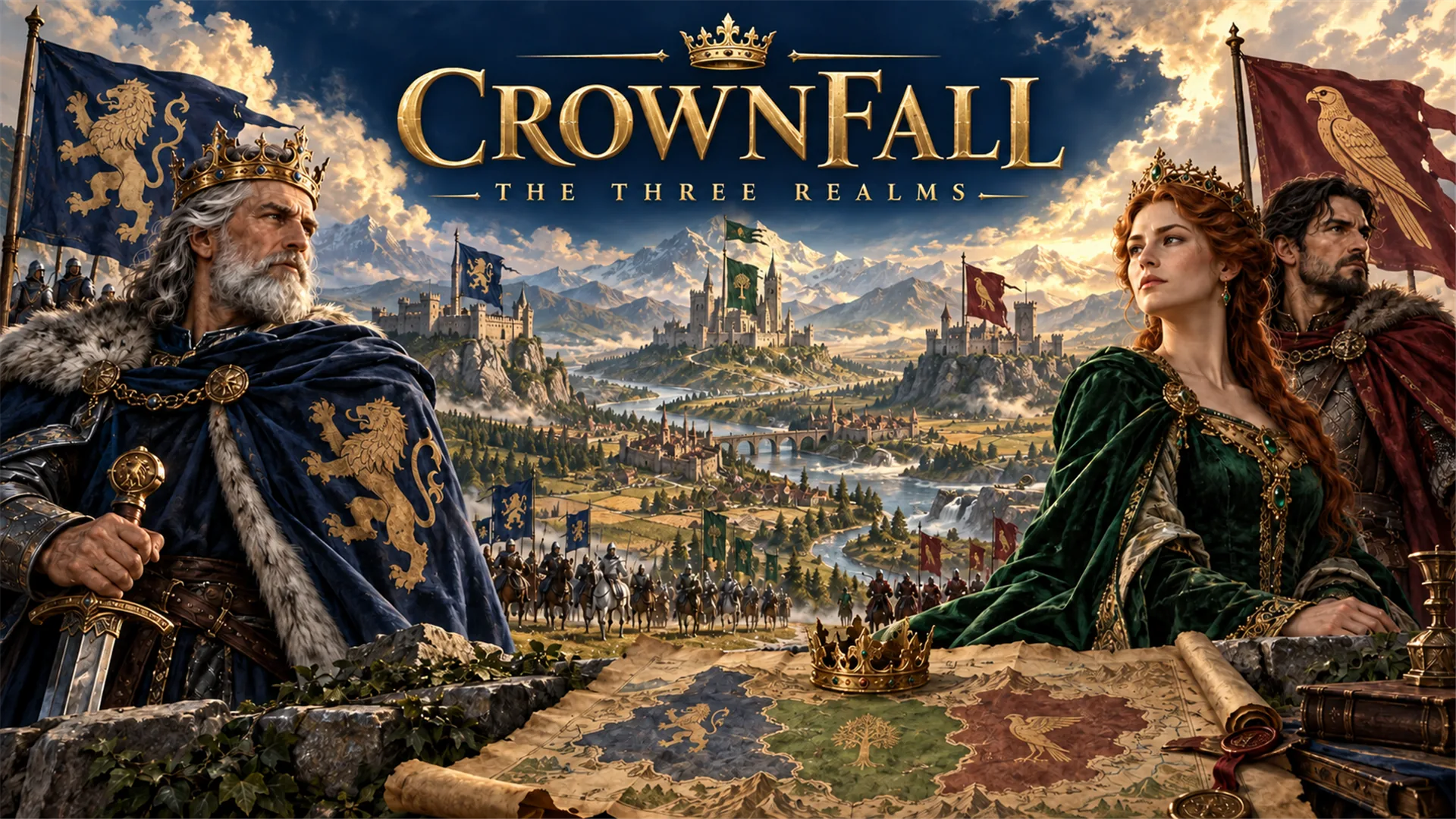 RPGCrownfall-The-Three-Realms-CoverPlay game ↗
 SimulationFLYING CARPlay game ↗
Give a Kimi K3 Open Weights for Unreal enough context to make the result specific, then test the part that matters to your project.
Start with the audience, format, desired result, and the question this page should help answer.
Use an example or write your own prompt. Look at the main interaction, structure, visual choices, and scope together.
Take the useful parts into the workspace and record the implementation, quality, rights, and publishing work that remains.
Why use it
Focus on the parts of the idea that need a concrete result before the next decision.
Check the official source, license, model card, technical report, checksums, supported quantization, serving stack, and hardware requirements after release.
Try it nowSeparate model inference from Unreal workspaces, secrets, source control, build infrastructure, and production assets. Grant only task-scoped capabilities.
Try it nowTest repository navigation, screenshot reasoning, log analysis, tool use, latency, memory, cost, failure recovery, and reproducibility on non-sensitive project slices.
Try it nowYou define who the experience serves and what a successful result needs to do.
Choose what comes next
The page can organize a proposal, but people still decide what is accurate, original, usable, and ready for the next stage.
You define who the experience serves and what a successful result needs to do.
You check factual fit, originality, continuity, accessibility, and whether the pieces work together.
You decide what is ready for implementation, sharing, publishing, or another round of work.
Who it is for
developers, technical artists, and prototype owners can use this page to make one project decision easier to test before a larger build or launch.
Require diffs, tests, Unreal compilation, automation, performance captures, packaging checks, license review, and a human owner before merging or publishing.
List model, serving, networking, storage, observability, security, rollback, and staffing requirements; mark every item that depends on unreleased documentation.
Analyze one sanitized Unreal module, return a file map, assumptions, proposed checks, and unresolved questions, and do not modify anything without an explicit approval gate.
A clearer first move
A useful first result gives the next decision something concrete to react to, without hiding the work that still needs human ownership.
SEELE AI on YouTube
Reviews, walkthroughs, and games made with SEELE AI by creators on YouTube.
FAQ
The official July 2026 launch says the full model weights will be released by July 27, 2026. This page is dated July 18 and therefore treats the weights as announced but not yet available. Verify the official repository, model card, license, checksums, and technical report after the release before downloading or deploying anything.
Open weights and open source are not automatically identical. The practical rights depend on the published license, code availability, model documentation, acceptable-use terms, and redistribution conditions. Use the exact wording from Moonshot AI's released artifacts, have counsel review commercial obligations, and avoid promising freedoms that are not explicitly granted.
The official launch describes a 2.8-trillion-parameter sparse model and recommends supernode deployments with 64 or more accelerators. That does not resemble ordinary laptop-local inference. Future community quantization or hosted options may change accessibility, but performance, memory, quality loss, license terms, and hardware support must be measured after release.
Describe the job, test one version, and decide what to do next inside SEELE AI.
Start creating