Starter prompt 2
Audit a original art direction prototype direction for UEFN island creators. Identify the highest-risk assumption, the evidence needed to test it, and the rollback point before scope expands.
Try it now
Review Uefn Basics Original — Rights-safe prompt with scoped evidence, limits, rollback, and native Unreal implementation ownership before production.
Start with free starter credits
Shape an idea, make it playable, and share it with the people who will play.
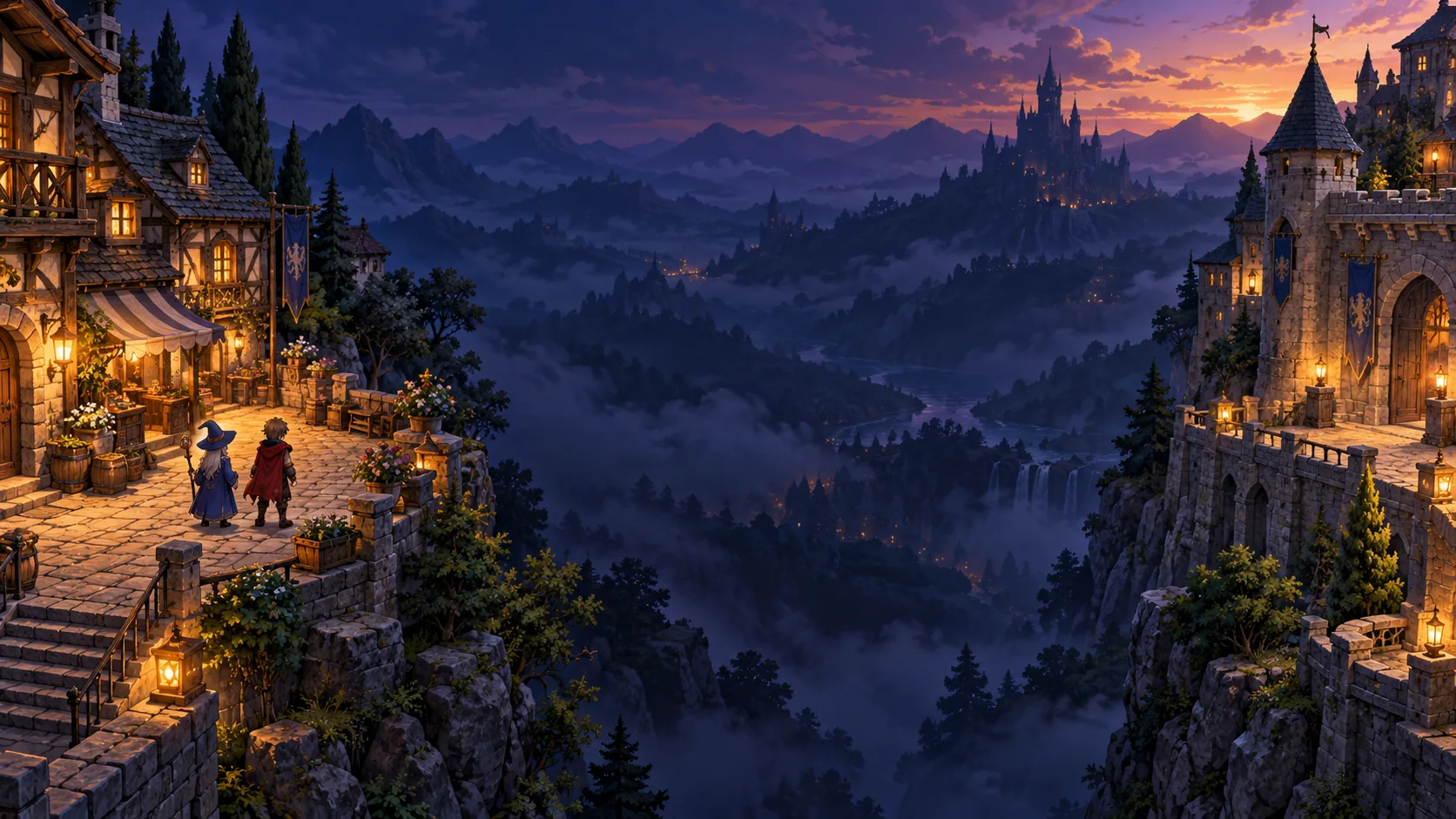
Start with a spark, a world, or a what-if worth exploring.
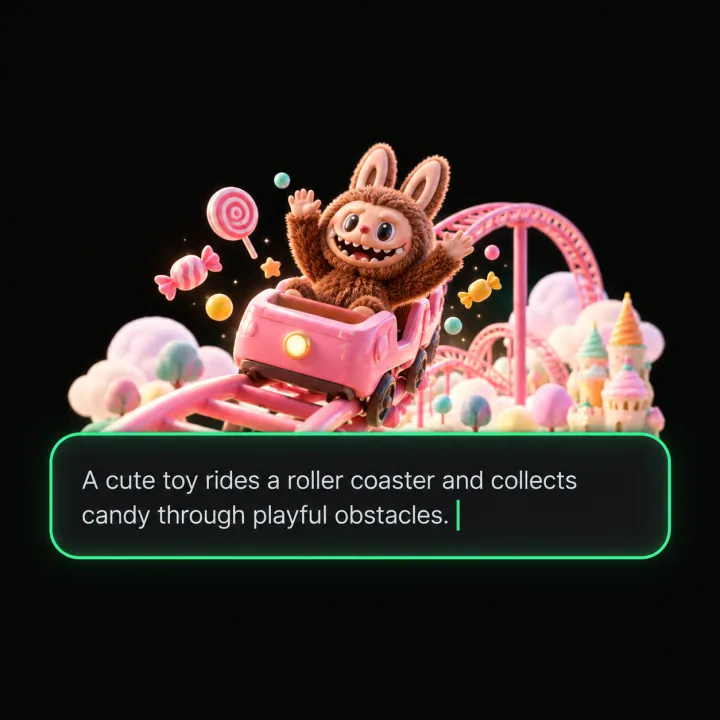
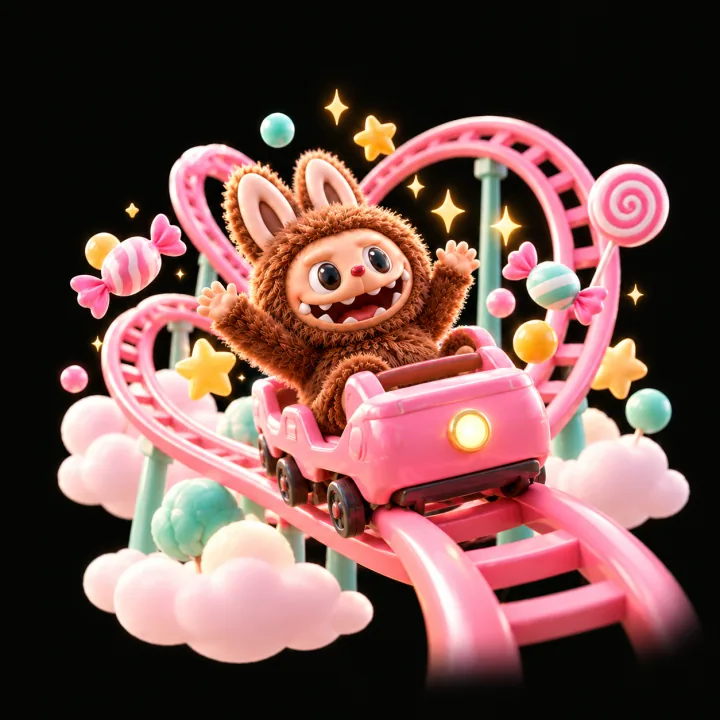
Turn the idea into a prompt with a player, a goal, and a core loop.
Shape the characters, environments, and systems that make it playable.
Try the game, tune the experience, and get it ready to share.
Invite others to explore the world you made.
Examples
Start with a direction that resembles your project, then change the mechanics, look, or audience before you build further.
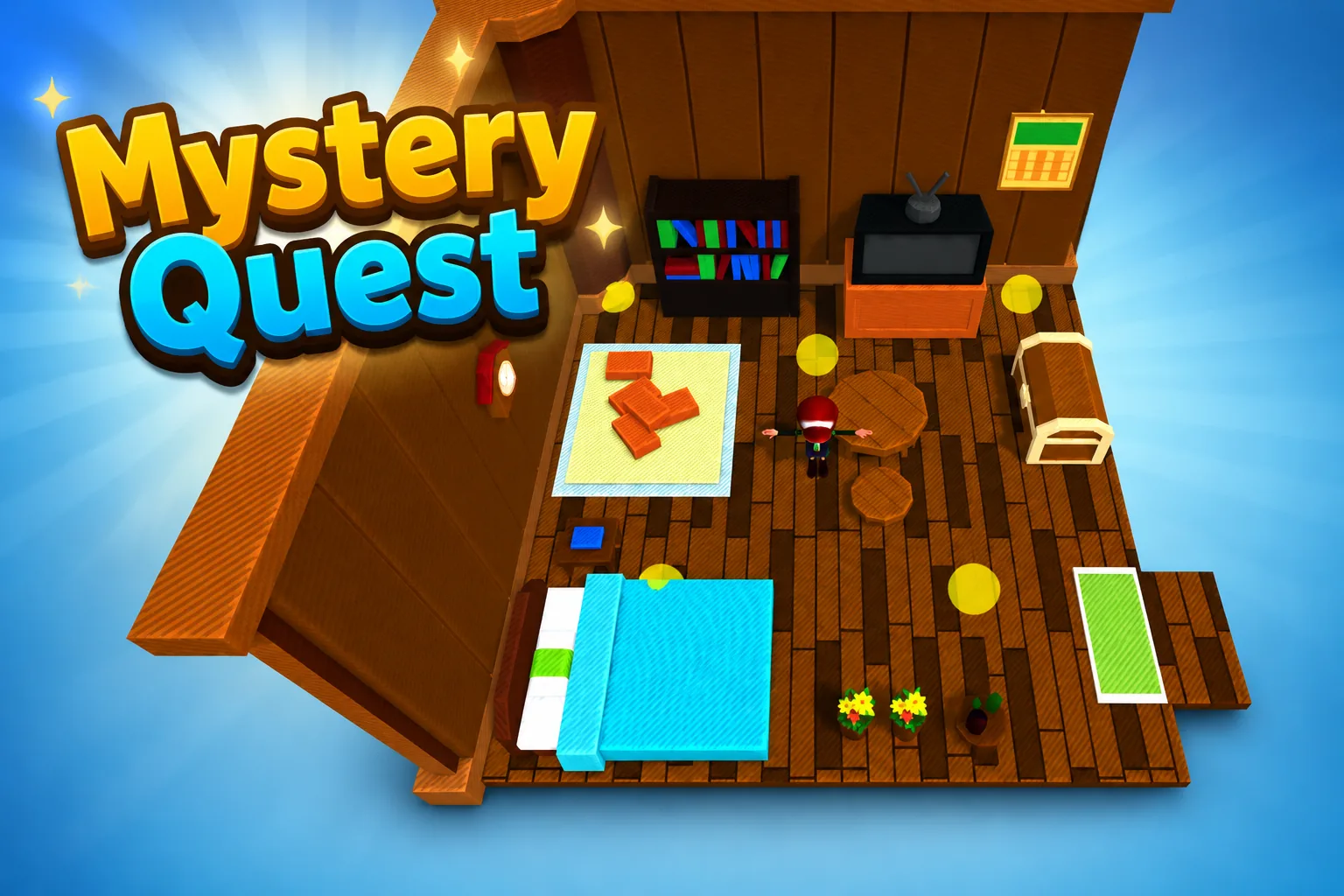 AdventureAdventure GamePlay game ↗
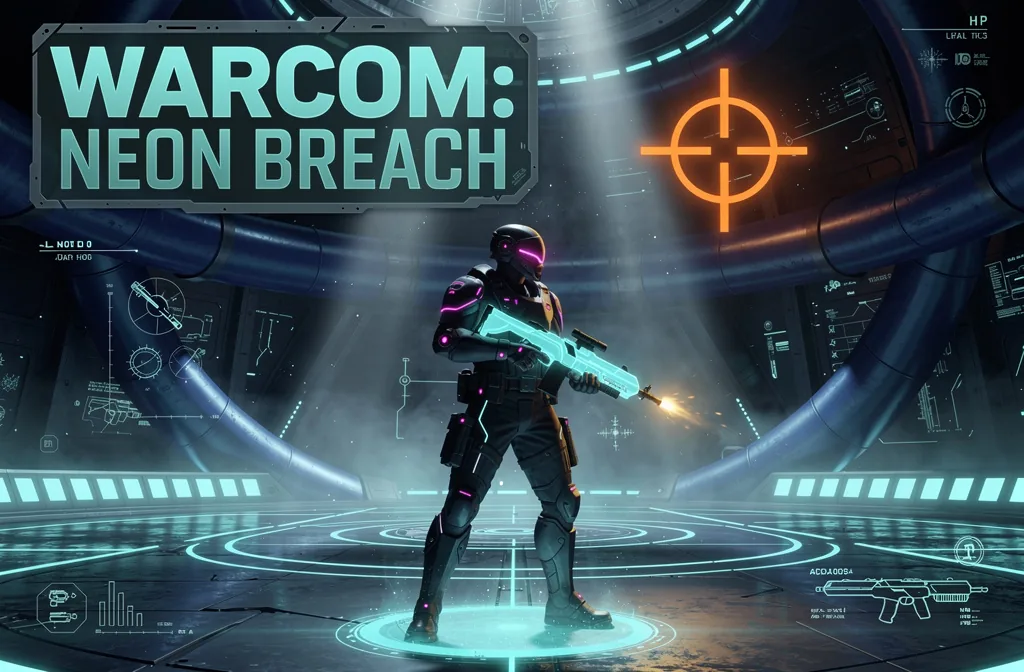 ShooterWarcom: Neon BreachPlay game ↗
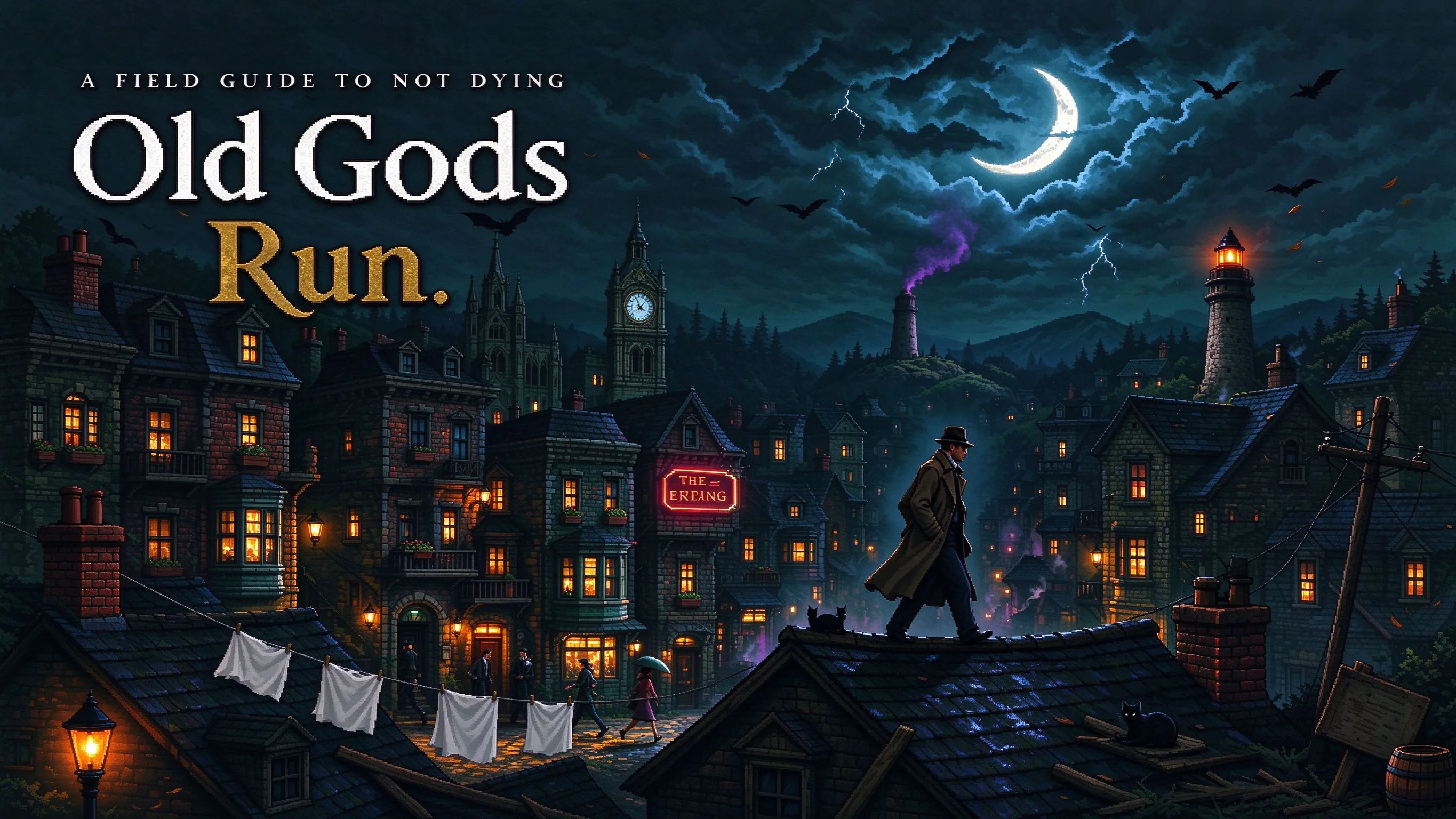 ActionOld Gods RunPlay game ↗
 CasualCaution! Egg on the Car RoofPlay game ↗
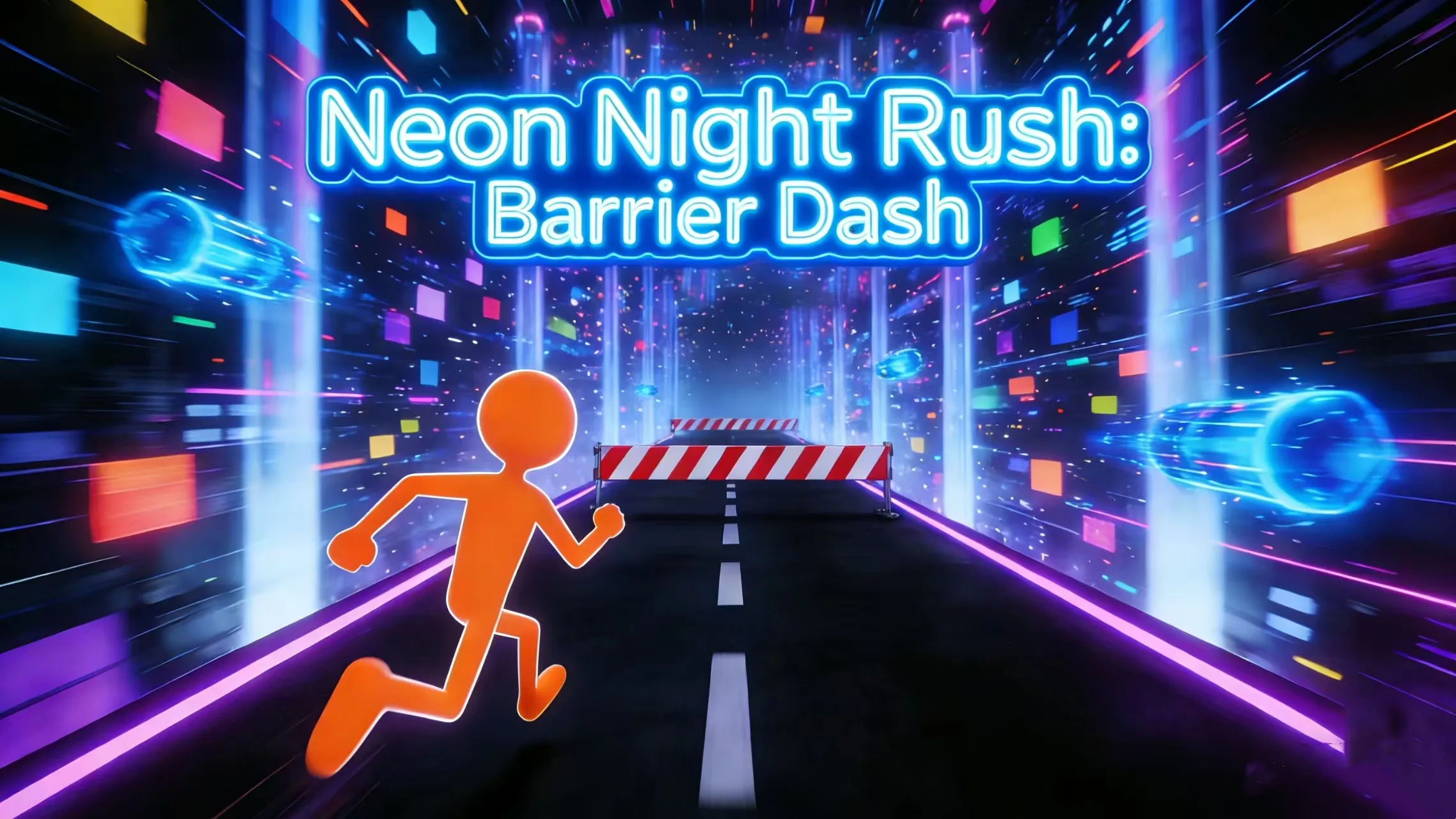 RunnerNeon Night Rush: Barrier DashPlay game ↗
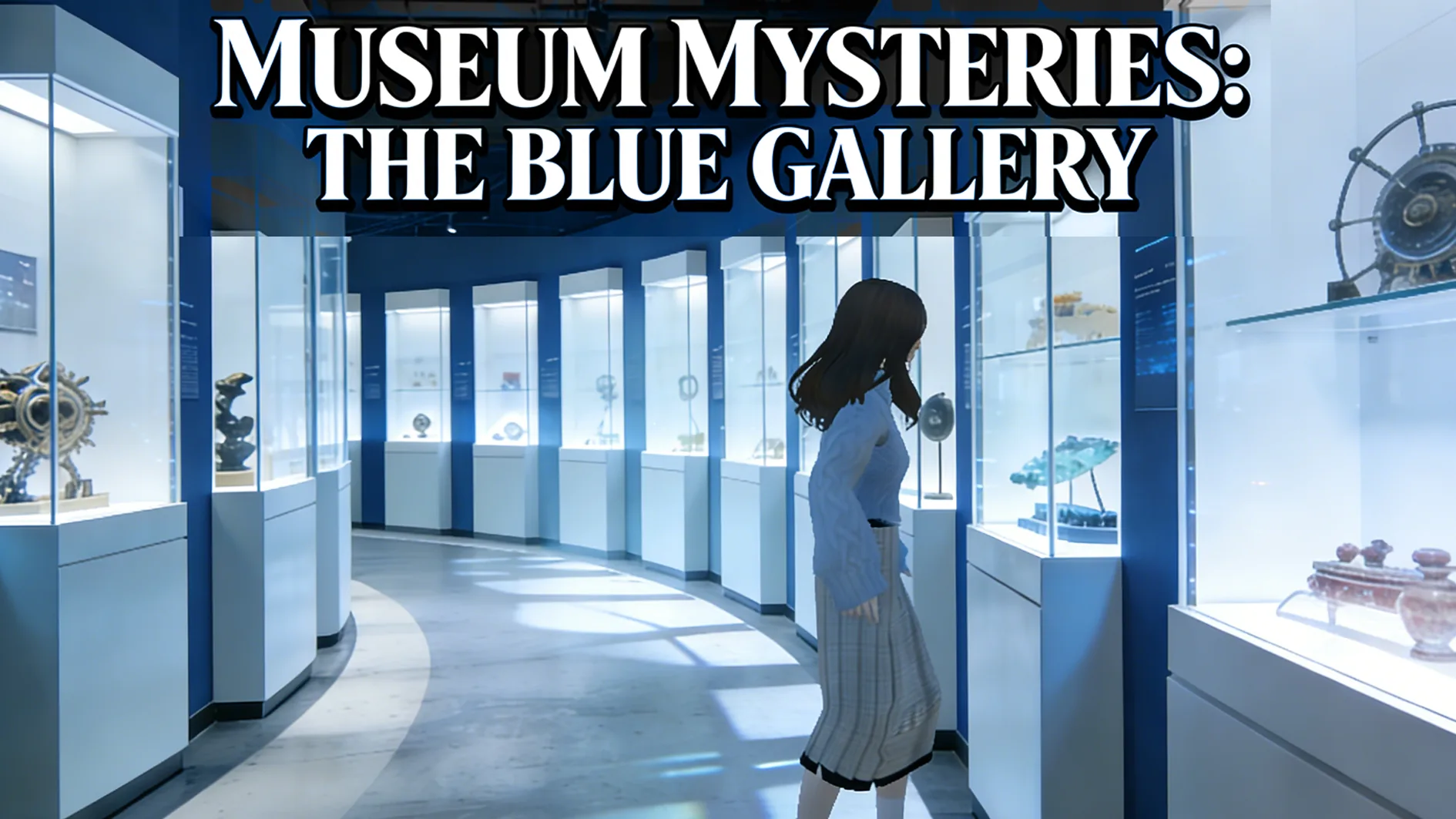 PuzzleMuseum ExhibitionPlay game ↗
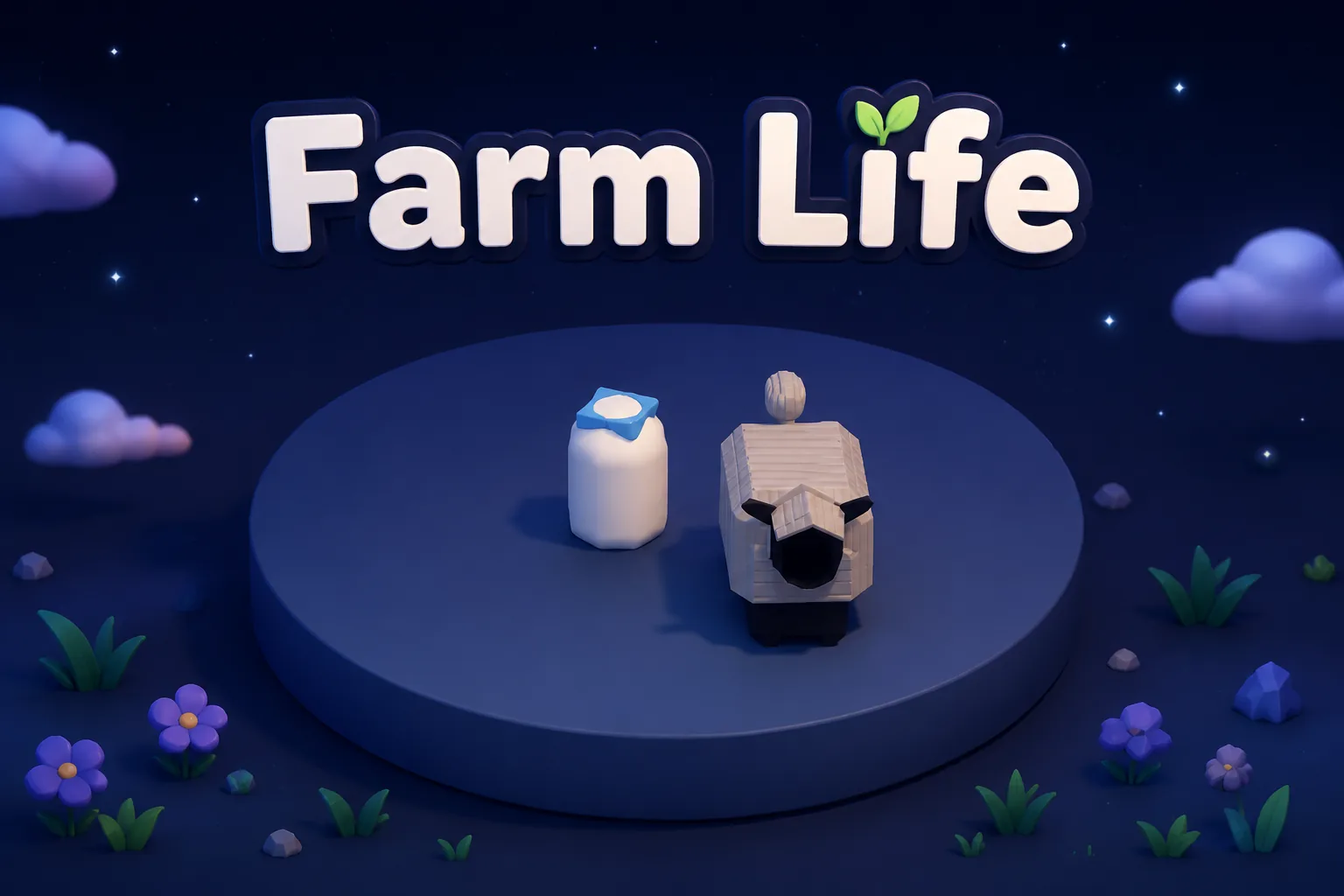 SimulationMilky Way Idle 3DPlay game ↗
 CasualSnowfall & Starry GiftsPlay game ↗
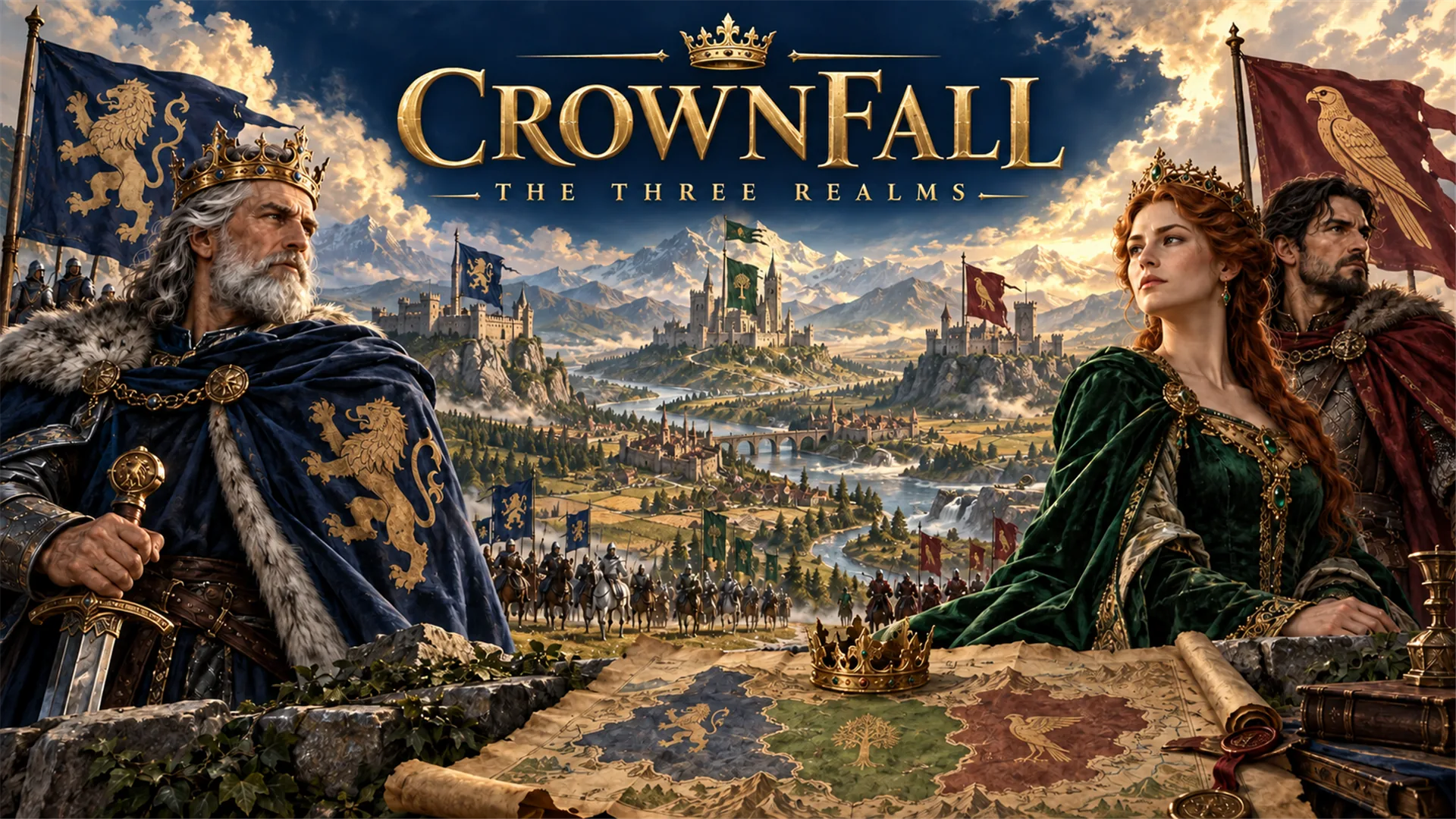 RPGCrownfall-The-Three-Realms-CoverPlay game ↗
 SimulationFLYING CARPlay game ↗
Give an Uefn Basics Original enough context to make the result specific, then test the part that matters to your project.
For UEFN Positioning And First Island for Original Art Direction — Rights-safe Source Boundary, frame original art direction as one observable UEFN positioning and first island task for UEFN island creators; remove adjacent features until the task can be reviewed without explanation.
Use the UEFN Positioning And First Island for Original Art Direction — Rights-safe Source Boundary prompt to establish the review boundary; for original art direction, record the expected input, feedback, success, failure, and restart behavior before visual polish.
Review the SEELE AI result for UEFN positioning and first island as a vertical-slice definition; compare original art direction with the original task and the a rights-safe original content prompt boundary rather than treating attractive imagery as gameplay proof.
Why use it
Focus on the parts of the idea that need a concrete result before the next decision.
Audit a original art direction prototype direction for UEFN island creators. Identify the highest-risk assumption, the evidence needed to test it, and the rollback point before scope expands.
Try it nowPrepare the original art direction project for UEFN island creators under a rights-safe original content prompt: list confirmed browser behavior, generated project contents, performance and packaging results, rights checks, downloadable outputs, and the next acceptance test.
Try it nowFor UEFN Positioning And First Island for Original Art Direction — Rights-safe Source Boundary, frame original art direction as one observable UEFN positioning and first island task for UEFN island creators; remove adjacent features until the task can be reviewed without explanation.
Try it nowYou define who the experience serves and what a successful result needs to do.
Choose what comes next
The page can organize a proposal, but people still decide what is accurate, original, usable, and ready for the next stage.
You define who the experience serves and what a successful result needs to do.
You check factual fit, originality, continuity, accessibility, and whether the pieces work together.
You decide what is ready for implementation, sharing, publishing, or another round of work.
Who it is for
developers, technical artists, and prototype owners can use this page to make one project decision easier to test before a larger build or launch.
Use the UEFN Positioning And First Island for Original Art Direction — Rights-safe Source Boundary prompt to establish the review boundary; for original art direction, record the expected input, feedback, success, failure, and restart behavior before visual polish.
Review the SEELE AI result for UEFN positioning and first island as a vertical-slice definition; compare original art direction with the original task and the a rights-safe original content prompt boundary rather than treating attractive imagery as gameplay proof.
In UEFN Positioning And First Island for Original Art Direction — Rights-safe Source Boundary, challenge the known risk that the camera hides the critical interaction; change one variable, preserve the last known-good version, and repeat the a new tester can explain the objective after one run check.
A clearer first move
A useful first result gives the next decision something concrete to react to, without hiding the work that still needs human ownership.
SEELE AI on YouTube
Reviews, walkthroughs, and games made with SEELE AI by creators on YouTube.
FAQ
Yes. For UEFN Positioning And First Island for Original Art Direction — Rights-safe Source Boundary, SEELE AI can generate a native Unreal 5 project, provide a browser preview, support performance optimization and packaging, and make the project or packaged output available for download. The exact Blueprint, C++, plugin, and platform contents depend on the generated project and its release target.
For UEFN Positioning And First Island for Original Art Direction — Rights-safe Source Boundary, test whether a new tester can explain the objective after one run. Keep original art direction within the stated boundary, record the result, and avoid expanding the UEFN positioning and first island scope until input, feedback, success, failure, and restart are repeatable.
For UEFN Positioning And First Island for Original Art Direction — Rights-safe Source Boundary, return to the last known-good original art direction state, isolate one changed assumption, and repeat the a new tester can explain the objective after one run check. Escalate engine-version behavior, rights, security, performance, and platform questions to the responsible specialist.
Describe the job, test one version, and decide what to do next inside SEELE AI.
Start creating