
Seele AI · Story Workspace
Create Slides
Use a game pitch web slider generator to turn your open-world game's hook, gameplay pillars, player journey, and next steps into a focused six-slide deck.
TRY IT FREE
See what works before you build the whole thing.
Start with a rough idea above. Starter credits help you test the direction before you spend time on every detail.
Start with a free ideaStart with free starter credits
Try the first version before deciding whether the idea deserves more time.
No coding required
Describe mechanics, visuals, audience, and constraints in plain English.
Review cost before generating
Review the generation path before committing to a larger run.
Trusted by leaders in
AI, gaming & entertainment




EXAMPLES
Start with a playable direction.
Start with a direction that resembles your project, then change the mechanics, look, or audience before you build further.
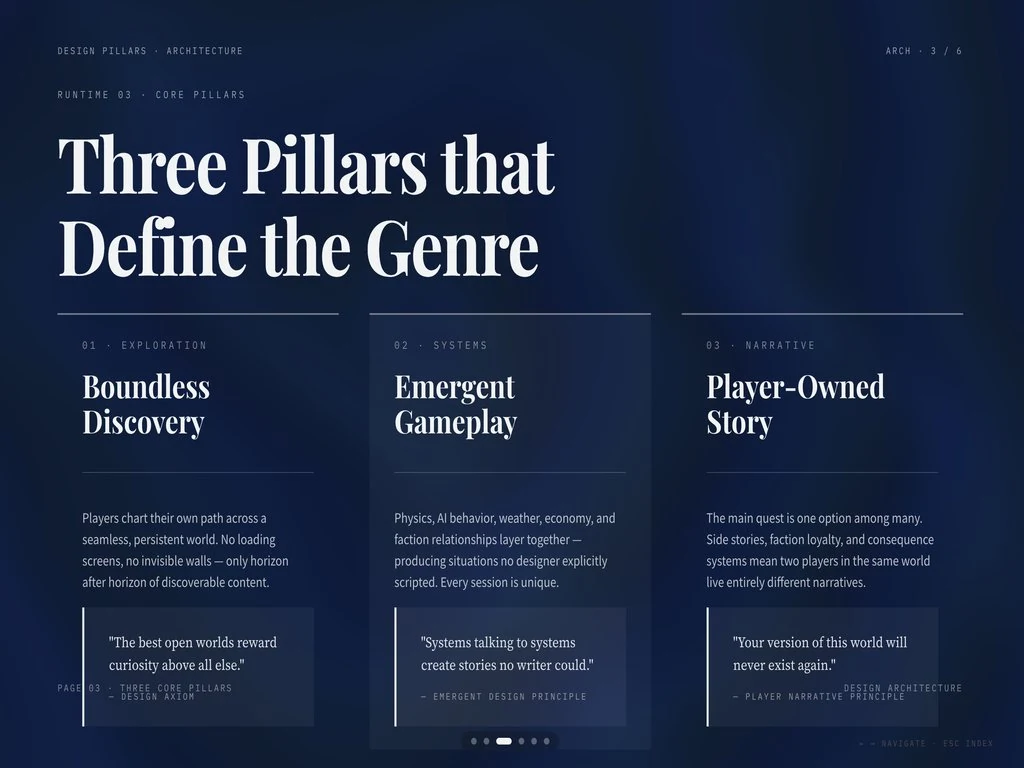
Define The Core Hook
A focused Game Pitch Web Slider Generator direction that gives a Game Pitch Web Slider Generator a concrete first result to review.
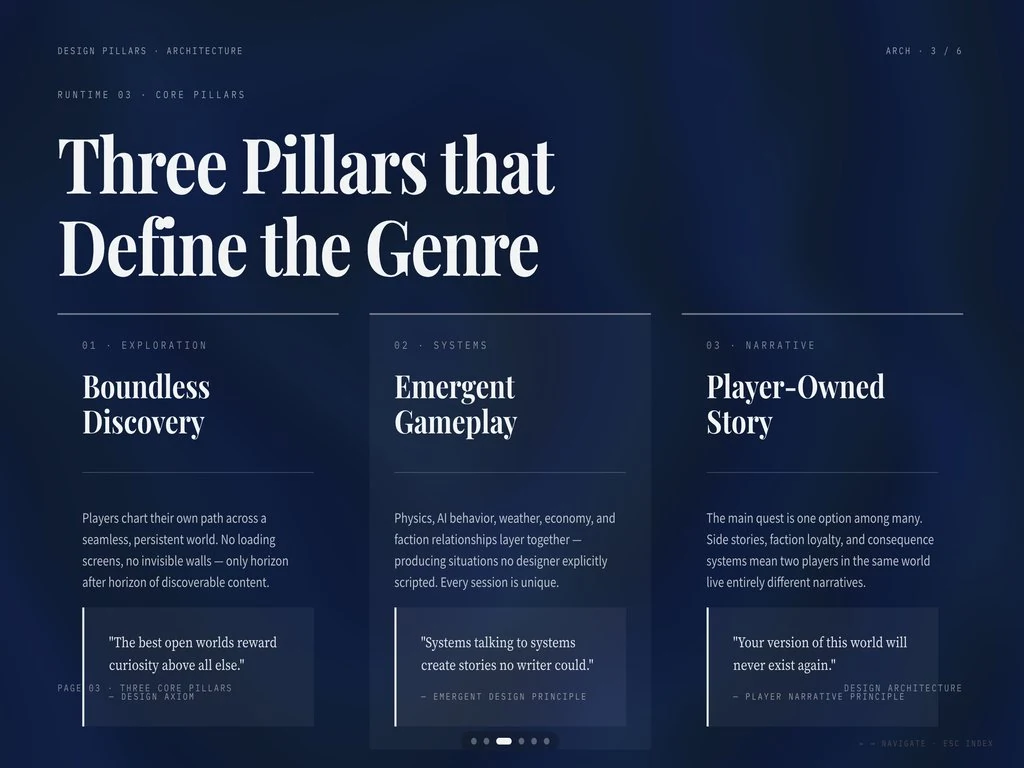
Generate Six Slides
A focused Game Pitch Web Slider Generator direction that gives a Game Pitch Web Slider Generator a concrete first result to review.
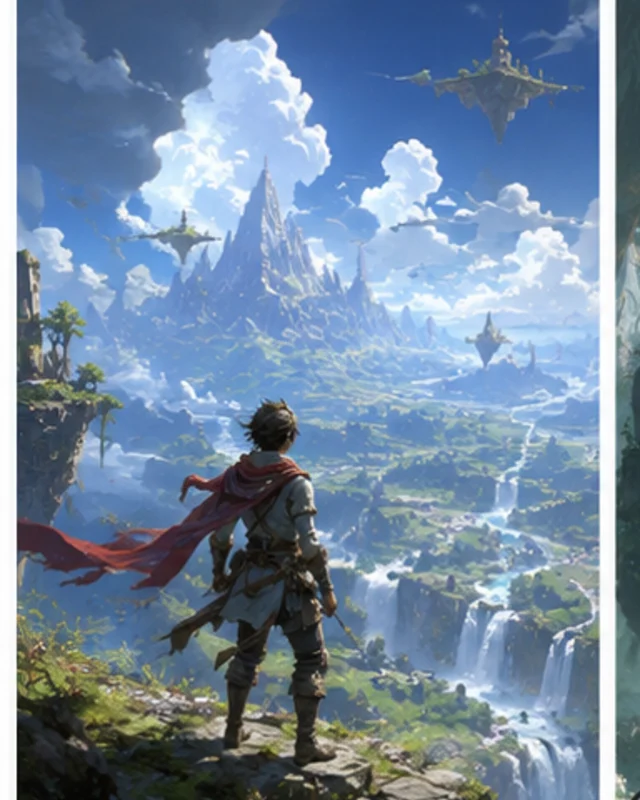
Review And Refine
A focused Game Pitch Web Slider Generator direction that gives a Game Pitch Web Slider Generator a concrete first result to review.

Six-Slide Story
A focused Game Pitch Web Slider Generator direction that gives a Game Pitch Web Slider Generator a concrete first result to review.
Why use it
Make the next decision with something real.
Focus on the parts of the idea that need a concrete result before the next decision.


Review Checklist
Specific decisions to validate for scope, claims, audience, and production risk.
Try it now
Who it is for
Who is a Game Pitch Web Slider Generator for?
creators, designers, and small teams can use this page to make one project decision easier to test before a larger build or launch.
- People with a specific project question
Define success, test the smallest complete workflow, keep source and settings, and review the output against destination requirements.
- Teams comparing options
Put the audience, desired result, and constraints beside one proposal so the team can discuss the same idea.
- Creators checking the details
Review quality, continuity, accessibility, rights, and publishing requirements before using the result in a real project.
How to use it
Create your game pitch slides
Give a Game Pitch Web Slider Generator enough context to make the result specific, then test the part that matters to your project.
Define The Core Hook
Describe the world, player role, target audience, and the one idea the deck must sell. Seele organizes the premise and identifies the strongest pitch angle.
Generate Six Slides
Run the prompt and keep one decision or message on each page. Seele drafts a web slider covering the hook, pillars, loop, world, progression, and next step.
Review And Refine
Correct unsupported claims, scope the mechanics, and request tighter copy or visual direction. Seele applies the feedback while preserving the deck structure.
A CLEARER FIRST MOVE
Game Pitch Web Slider Generator compared with a blank first pass
A useful first result gives the next decision something concrete to react to, without hiding the work that still needs human ownership.
What changes
Game Pitch Web Slider Generator
Starting from scratch
Starting point
A focused Game Pitch Web Slider Generator prompt
A blank project and an open-ended task
First review
A concrete result to inspect
A plan before there is something to try
Scope
One audience, output, and constraint
Many decisions made at once
FAQ
Questions about Game Pitch Web Slider Generator
What should a six-slide game pitch include?
A useful six-slide structure covers the core hook and player fantasy, the design pillars, the moment-to-moment gameplay loop, the world and progression, the intended audience or differentiation, and a clear next step. Adjust the order when a specific mechanic or visual identity is the strongest selling point.
Can I use the generator for a game that is still an early concept?
Yes. Treat the deck as a structured concept draft. Mark assumptions clearly, avoid presenting unbuilt mechanics as finished features, and use human review plus prototypes to validate feasibility before making production or publishing commitments.
How specific should the prompt be?
Include the genre, player role, core fantasy, world premise, two or three differentiating systems, audience, tone, and the decision the deck should support. Concrete constraints produce a more focused pitch than broad requests such as making an exciting open-world game.
Start creating
Try Game Pitch Web Slider Generator
Describe the job, test one version, and decide what to do next inside SEELE AI.
Start creatingFree