
SEELE AI / Resources
Ideas for building playable worlds.
Practical notes on AI games, creative workflows, and the tools that help ideas become something you can play.
Unreal Interaction System: Trace, Overlap, and Interface Guide | SEELE AI
Use overlap only to maintain a small set of nearby candidates, a camera or controller line trace to select the intended target, and a Blueprint Interface or C++ interface to execute the verb without hard-casting to every actor class. Follow the API, failure recovery, and packaged-build validation checklist.

Unreal Checkpoint, PlayerStart, Spawn, and Restart Guide | SEELE AI
Represent a checkpoint with a stable identifier and validated spawn transform, not a raw actor pointer saved across sessions. Follow the API, failure recovery, and packaged-build validation checklist.
Unreal Collision Channels, Traces, and Physical Materials Guide | SEELE AI
Treat collision as a project-wide contract: object channels identify what a component is, trace channels identify what a query is asking, and response presets decide block, overlap, or ignore at each boundary. Follow the API, failure recovery, and packaged-build validation checklist.
Unreal Damage, Health, Death, and Respawn System Guide | SEELE AI
Keep health in one authoritative gameplay component, accept damage through a typed request, clamp the value once, and emit state-change events for UI and effects. Follow the API, failure recovery, and packaged-build validation checklist.
Unreal Dedicated Server Build and Linux Deployment Guide | SEELE AI
Create a Server target, build with a source-capable Unreal toolchain, cook content for the server platform, and package a versioned headless artifact with configuration, maps, and required runtime libraries. Follow the API, failure recovery, and packaged-build validation checklist.
Unreal Game Economy, Currency, Shop, and Loot System Guide | SEELE AI
Separate immutable definitions from mutable balances and inventory. Follow the API, failure recovery, and packaged-build validation checklist.
Unreal Game Settings and Enhanced Input Rebinding Guide | SEELE AI
Build the settings screen as a draft-and-apply transaction. Follow the API, failure recovery, and packaged-build validation checklist.
Unreal Hitscan, Projectile, Weapon, and Ammo System Guide | SEELE AI
Model the weapon as data plus an explicit firing state machine. Follow the API, failure recovery, and packaged-build validation checklist.
Unreal Memory Insights, LLM, and MemReport Profiling Guide | SEELE AI
Use three complementary views: Low-Level Memory Tracker reports tagged totals over time, MemReport captures a comparable text snapshot of object and resource classes, and Memory Insights traces allocation timelines, callstacks, tags, and live allocations when tracing is configured. Follow the API, failure recovery, and packaged-build validation checklist.

Unreal Steam Packaging, Upload, and Release Checklist | SEELE AI
Produce a clean Shipping build from the release commit, configure the correct Steam App ID and OnlineSubsystem behavior for that build, stage only required files, and upload depots with SteamPipe using versioned build scripts. Follow the API, failure recovery, and packaged-build validation checklist.

Unreal Third-Person Character Movement and Camera Guide | SEELE AI
Build the local player loop in four owned layers: Enhanced Input produces intent, ACharacter and UCharacterMovementComponent resolve locomotion, a USpringArmComponent handles camera distance and collision, and UCameraComponent renders the view. Follow the API, failure recovery, and packaged-build validation checklist.
Unreal Tutorial, Onboarding, and Contextual Hints Guide | SEELE AI
Implement onboarding as a versioned state machine driven by observable gameplay events, not a chain of delays inside widgets. Follow the API, failure recovery, and packaged-build validation checklist.

3D Asset Pipeline Guide: Brief to Game-Ready Handoff
Build a repeatable 3D asset pipeline with stage owners, acceptance criteria, versioned handoffs, destination QA, and rework tracking.

Blender 3D Models: A Practical AI-to-Blender Guide
Learn how to source or create Blender 3D models, verify licenses, import cleanly, and prepare assets for games, renders, or animation.

FBX vs OBJ: Format Differences and Decision Guide
Compare FBX and OBJ by geometry, materials, hierarchy, rigging, animation, compatibility, and round-trip risk.
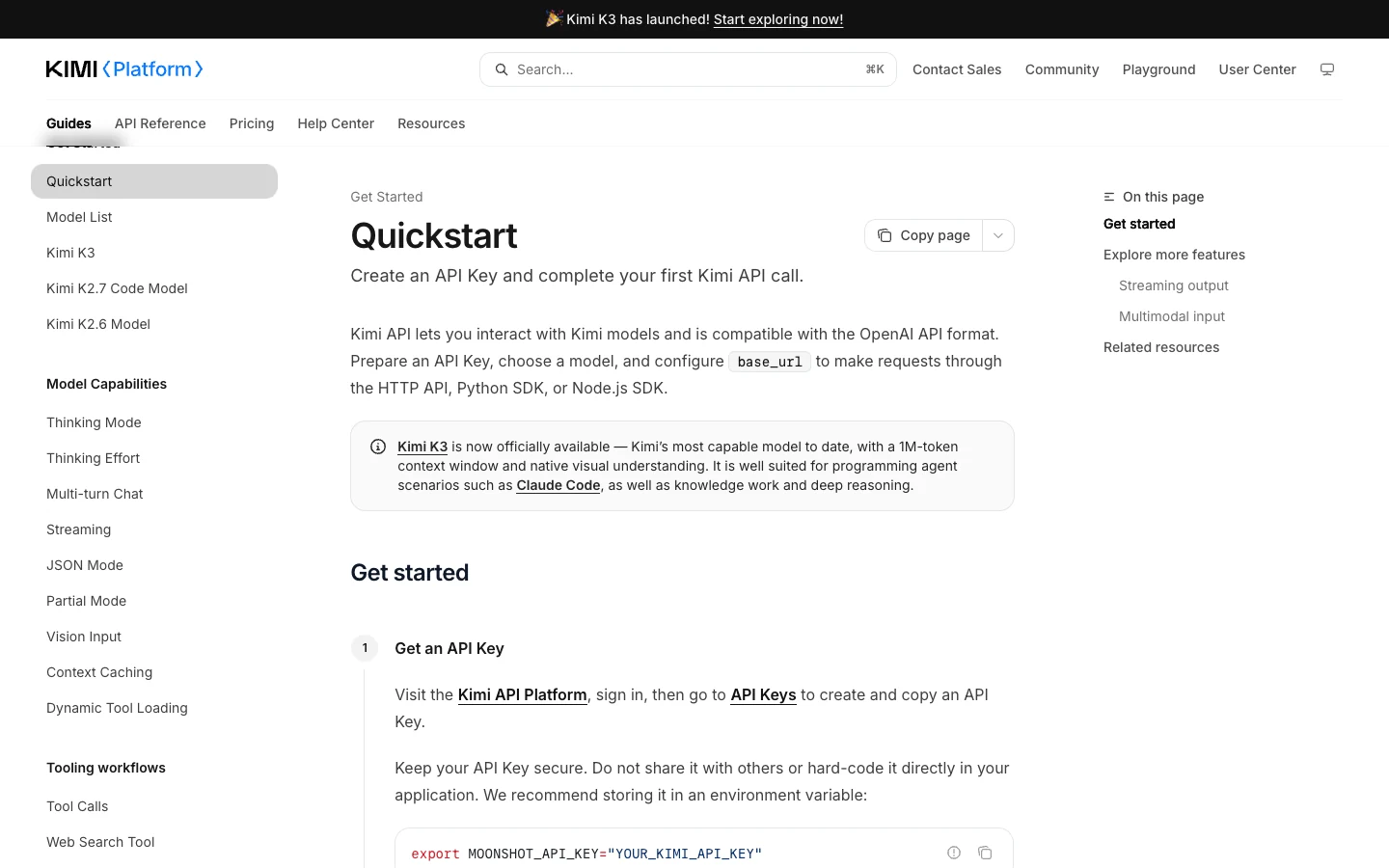
Kimi API Guide: Models, Python Example, and Limits | SEELE AI
A third-party Kimi API guide to current models, OpenAI-compatible setup, validated examples, limits, migration boundaries, and official documentation.
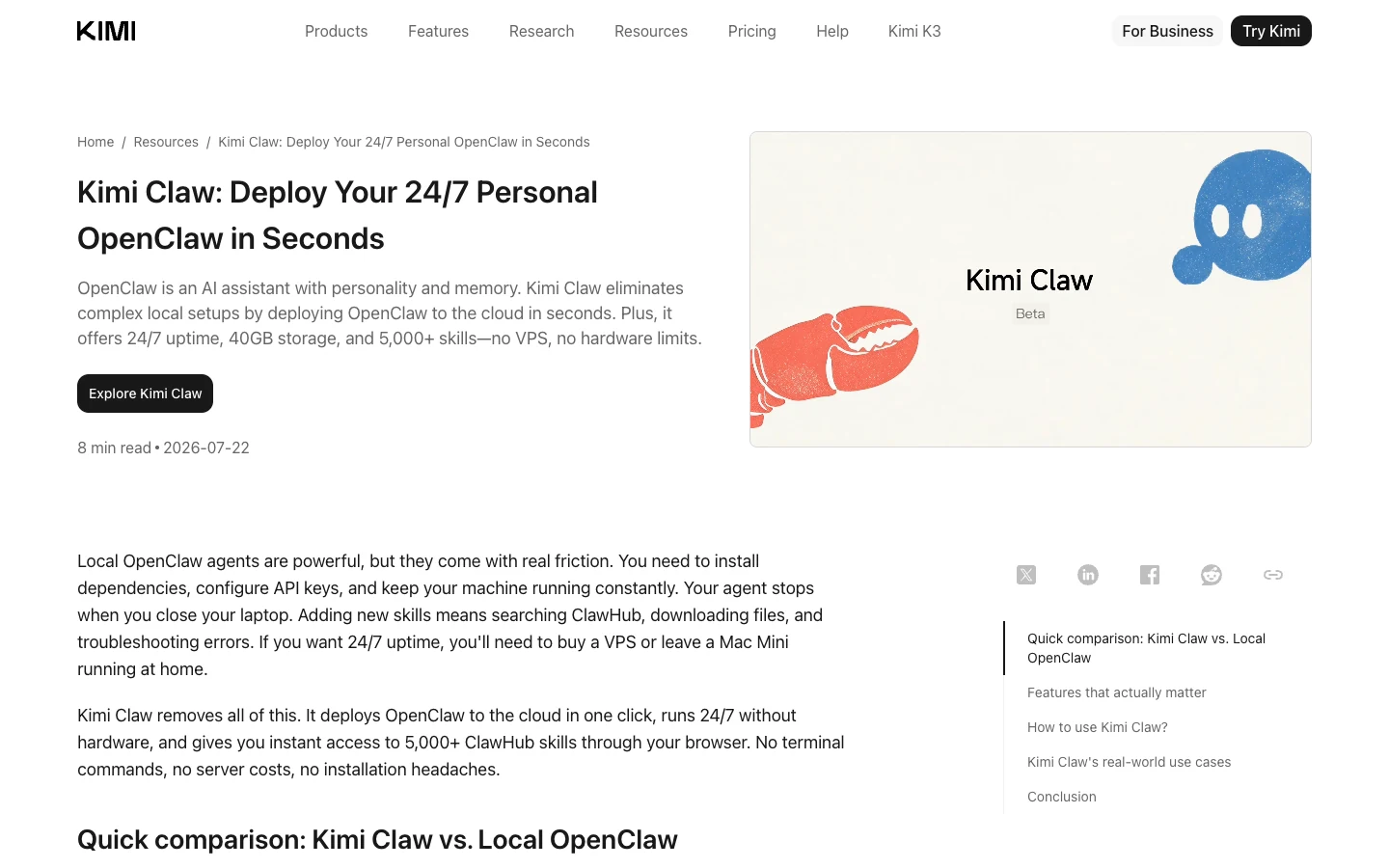
Kimi Claw: Features, Safety, and Use Cases | SEELE AI
An independent Kimi Claw guide to managed cloud OpenClaw features, cautious onboarding, automation safety, use cases, and hosted-versus-local tradeoffs.
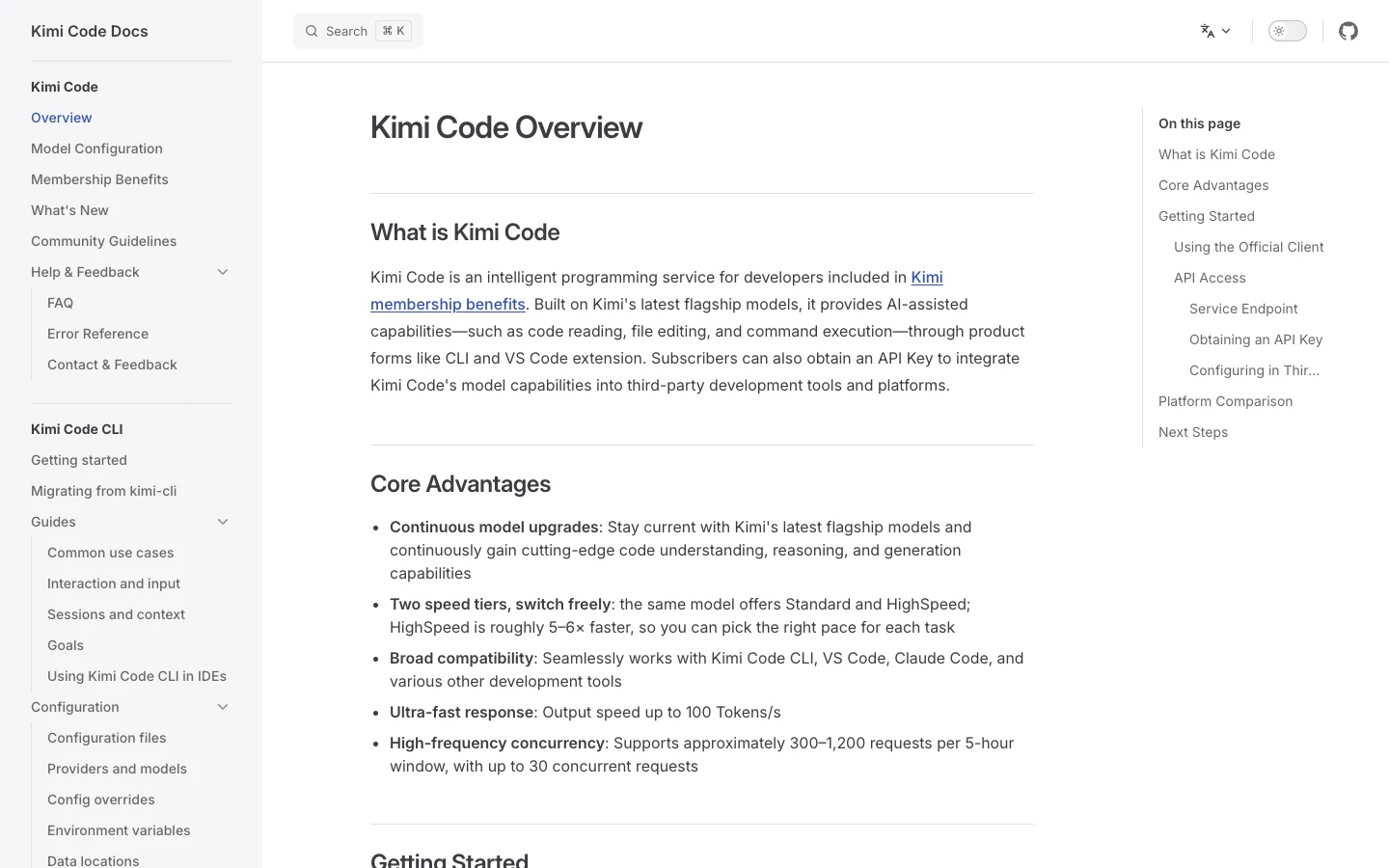
Kimi Code Guide: Features and Coding Workflows | SEELE AI
An independent Kimi Code overview of product capabilities, terminal and editor workflows, model boundaries, review controls, and official sources.

Unity 7 AI Agents vs Unreal 6 and Unreal 5.8 MCP | SEELE AI
Compare unity 7 ai agents vs unreal for Unreal teams, including current versus future surface, native validation, security, version limits, and rollback.

Unity 7 AI-Assisted Graphics vs Unreal Nanite, Lumen, and TSR | SEELE AI
Compare unity 7 ai graphics vs unreal for Unreal teams, including optimization authorship, native validation, security, version limits, and rollback.

Unity 7 CLI and Public API vs Unreal UAT, Commandlets, and MCP | SEELE AI
Compare unity 7 cli vs unreal automation for Unreal teams, including lifecycle coverage, native validation, security, version limits, and rollback.
Unity 7 CoreCLR vs Unreal C++, Blueprint, and Verse | SEELE AI
Compare unity 7 coreclr vs unreal for Unreal teams, including runtime architecture, native validation, security, version limits, and rollback.
Unity 7 MCP vs Unreal Engine 5.8 MCP for AI Agents | SEELE AI
Compare unity 7 mcp vs unreal mcp for Unreal teams, including current availability, native validation, security, version limits, and rollback.

Unity 7 Near-Instant Play Mode vs Unreal PIE and Live Coding | SEELE AI
Compare unity 7 play mode vs unreal live coding for Unreal teams, including edit-to-feedback latency, native validation, security, version limits, and rollback.